

An RCD (Residual Current Device) is an important part of electrical safety in UK homes and other properties. Designed to help protect people from electric shock and reduce the risk of electrical fires, an RCD automatically disconnects the electricity supply when it detects an imbalance in the electrical current.
If your RCD keeps tripping, however, it can be frustrating and may indicate an underlying electrical problem. While an occasional trip can be caused by a temporary fault, repeated tripping should not be ignored.
Understanding some of the common causes can help you recognise when professional electrical advice is needed.
What Is an RCD?
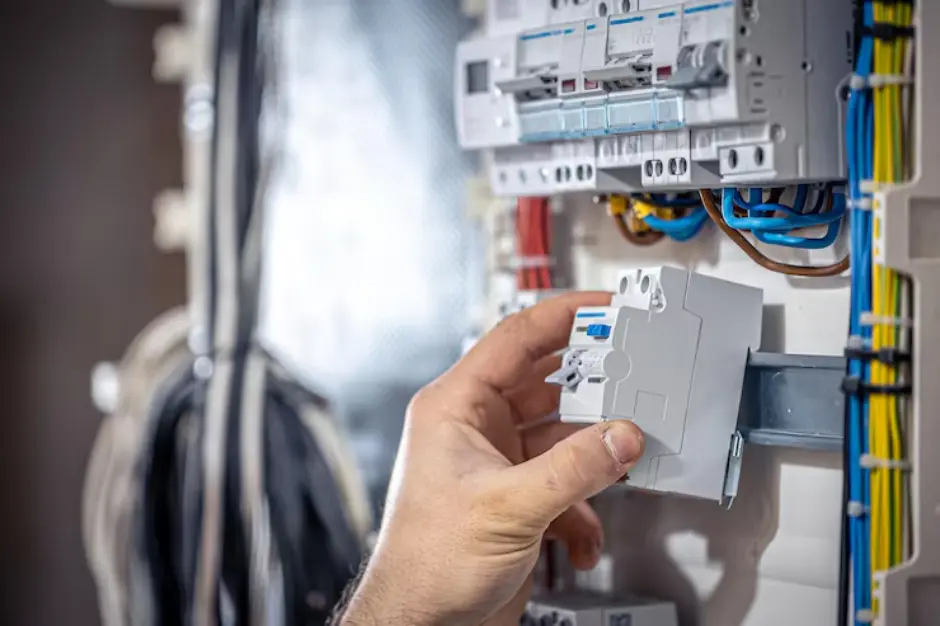
An RCD is a safety device installed within an electrical consumer unit. It continuously monitors the flow of electricity through a circuit. If it detects that some current is escaping from the intended circuit, it can quickly switch off the power.
This can happen when electricity is leaking to earth through faulty wiring, damaged appliances or another electrical fault.
RCDs are designed to provide an additional layer of protection alongside other electrical safety measures. However, they should not be treated as something that can simply be reset whenever they trip.
Why Does an RCD Keep Tripping?
There are several possible reasons why an RCD may repeatedly disconnect the power.
1. A Faulty Electrical Appliance
One of the most common causes is a problem with an appliance connected to the affected circuit.
Appliances such as washing machines, dishwashers, tumble dryers, kettles, refrigerators and outdoor equipment can develop electrical faults over time. Damage to internal components, moisture ingress or deteriorating insulation can cause leakage current that triggers the RCD.
If the RCD trips when a particular appliance is switched on, unplug the appliance and seek professional advice rather than continuing to use it.
2. Damaged or Deteriorating Wiring
Electrical wiring can deteriorate with age, particularly where cables have been damaged, exposed to excessive heat or affected by moisture.
Problems may occur behind walls, beneath floors, in loft spaces or within other concealed areas. Damaged insulation can allow current to escape, causing the RCD to operate.
Older properties may also have electrical installations that no longer meet modern safety expectations. If you are experiencing repeated trips, an electrician may recommend inspecting the installation to identify the source of the problem.
3. Water or Moisture Getting Into Electrical Equipment
Water and electricity are a dangerous combination. Moisture entering electrical equipment, sockets, outdoor connections or wiring can create leakage to earth.
This can be particularly relevant in areas such as kitchens, bathrooms, utility rooms, garages and gardens.
Outdoor electrical equipment can also be affected by rain and damp conditions. If an RCD begins tripping after heavy rainfall, it may be worth having outdoor circuits and connections professionally checked.
4. Too Many Faults on One Circuit
Sometimes, the issue is not one obvious appliance or component but a combination of smaller leakage currents across several items.
Modern properties can have numerous electrical appliances operating at the same time. Although individual appliances may not appear faulty, their combined leakage can occasionally be enough to cause an RCD to trip.
An electrician can test the circuits and appliances to determine whether cumulative leakage is contributing to the problem.
5. A Problem With an Outdoor Circuit
Garden lighting, outdoor sockets, electric gates, pumps and other external electrical equipment are exposed to changing weather conditions.
Water ingress, damaged cables, faulty connections and deteriorating equipment can all cause an RCD to operate.
If the problem appears to occur when outdoor equipment is used, avoid repeatedly resetting the RCD and arrange for the circuit to be inspected.
6. A Fault Within the Electrical Installation
Repeated RCD tripping can sometimes point towards a wider issue with the property’s electrical installation.
Loose connections, damaged cables, insulation faults or other defects may cause intermittent or persistent problems. These faults are not always visible and can require specialist testing equipment to locate.
This is one reason why repeatedly resetting an RCD without investigating the cause is not recommended.
7. The RCD Itself May Be Faulty
Although RCDs are designed to provide reliable protection, electrical components can deteriorate or develop faults.
If appliances and circuits appear to be functioning correctly but the RCD continues to trip unexpectedly, the device itself may need to be tested by a qualified electrician.
Never attempt to bypass or remove an RCD because it keeps operating. Its purpose is to disconnect the supply when a potentially dangerous fault is detected.
How Can You Identify What Is Causing the Problem?
If an RCD trips, you may be able to identify whether a particular circuit or appliance is involved without carrying out electrical repairs yourself.
Start by switching off or unplugging appliances that were operating when the RCD tripped. Once the supply has been safely restored, appliances can be reintroduced individually.
If the RCD trips again when a particular appliance is connected, stop using it and arrange for it to be checked.
If the RCD trips even when appliances are disconnected or if it repeatedly trips without an obvious pattern, the problem could be associated with the fixed wiring or another part of the installation.
Should You Keep Resetting a Tripping RCD?
An RCD that trips repeatedly is giving you an important warning that should not be ignored.
Resetting it once after a temporary fault may be reasonable, but repeatedly restoring the power without finding the cause can leave an underlying electrical problem unresolved.
Never bypass an RCD or attempt to modify the consumer unit yourself. Electrical work should be carried out by a suitably qualified and competent professional.
When Should You Call an Electrician?
Professional electrical advice is recommended if:
- The RCD keeps tripping repeatedly.
- You cannot identify what is causing the problem.
- The RCD trips as soon as you reset it.
- There are signs of damaged cables, sockets or electrical equipment.
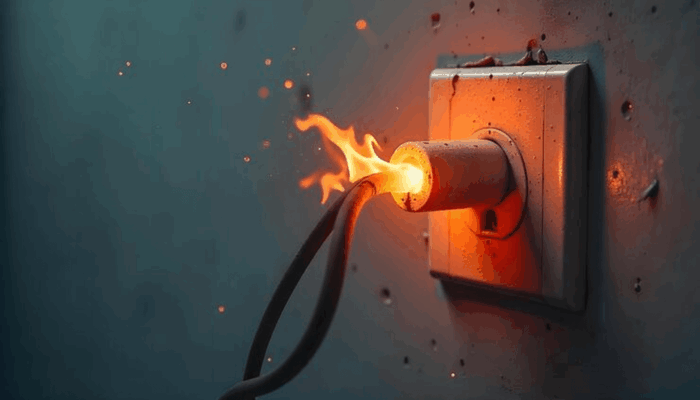
- You notice burning smells, scorch marks or unusual heat around electrical fittings.
- The problem appears after water ingress or flooding.
- An appliance repeatedly causes the RCD to trip.
- The electrical installation is older or has not been inspected for some time.
An electrician can carry out appropriate testing to determine whether the problem originates from an appliance, circuit, wiring or the RCD itself.
Could an Electrical Inspection Help?
If repeated RCD tripping has no obvious cause, an electrical inspection can help identify potential problems within the installation.
An Electrical Installation Condition Report (EICR), where appropriate, assesses the condition of an electrical installation and identifies defects, deterioration and areas that may require attention.
For homeowners, landlords and property managers, regular electrical checks can help identify problems before they develop into more serious safety concerns.
Keeping Your Electrical Installation Safe
Preventative maintenance can reduce the likelihood of electrical faults developing. Keep an eye out for damaged cables, cracked sockets, signs of overheating and appliances that behave unusually.
Avoid overloading sockets and take extra care with electrical equipment used outdoors or in areas exposed to moisture.
For older properties, having the electrical installation professionally assessed can provide greater confidence that the wiring, protective devices and other components remain suitable for modern demands.
Final Thoughts
An RCD that keeps tripping should never simply be treated as an inconvenience. It is designed to disconnect the electricity supply when it detects a potentially dangerous electrical fault.
The cause could be something relatively straightforward, such as a faulty appliance, but repeated trips can also indicate damaged wiring, moisture ingress or another problem within the electrical installation.
Rather than repeatedly resetting the RCD, identify and address the underlying cause with the help of a qualified electrician. Prompt investigation can help protect occupants, appliances and the property while ensuring the electrical installation continues to operate safely.