


For facilities managers, maintaining electrical safety should be about more than responding to faults as they occur. A proactive approach to inspection and maintenance can help identify developing issues before they become costly repairs, operational disruptions or safety concerns.
Regular commercial electrical inspections provide valuable insight into the condition of a building’s electrical infrastructure. They can highlight defects, deterioration and potential areas of concern while helping facilities teams plan maintenance and future improvements more effectively.
What Does a Commercial Electrical Inspection Involve?
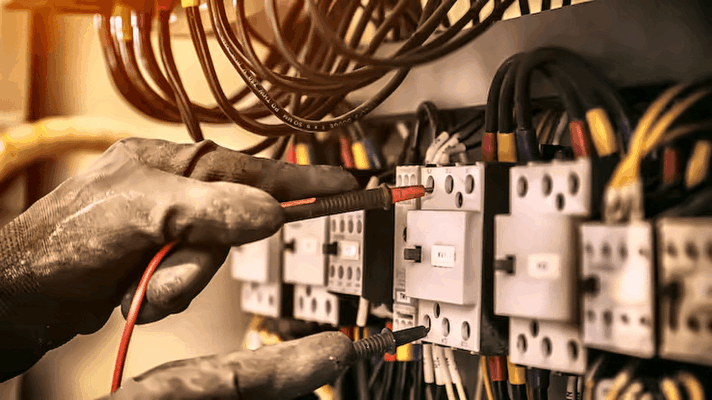
A commercial electrical inspection assesses the condition, safety and performance of an electrical installation within a commercial property.
The precise scope will depend on the building, its age, how it is occupied and the nature of the electrical installation. Areas considered may include distribution boards, fixed wiring, sockets, switches, lighting, earthing, bonding and other fixed electrical equipment.
Inspection and testing should be undertaken by a suitably competent electrical professional. For facilities managers, the resulting findings can provide a useful overview of the installation and identify areas requiring immediate attention or future investment.
Key Areas Facilities Managers Should Monitor
Although technical testing should always be carried out by a qualified professional, facilities managers can monitor the condition and performance of electrical systems as part of their wider responsibilities.
Distribution Boards
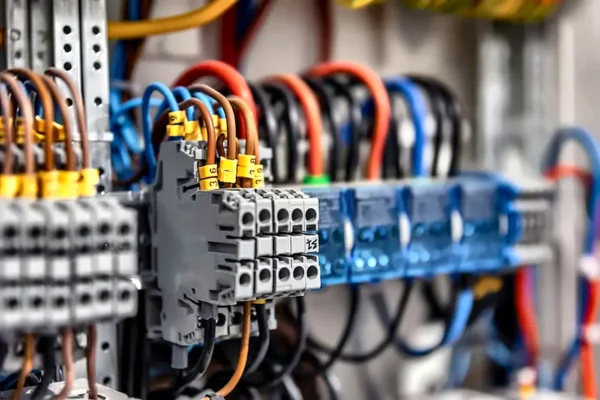
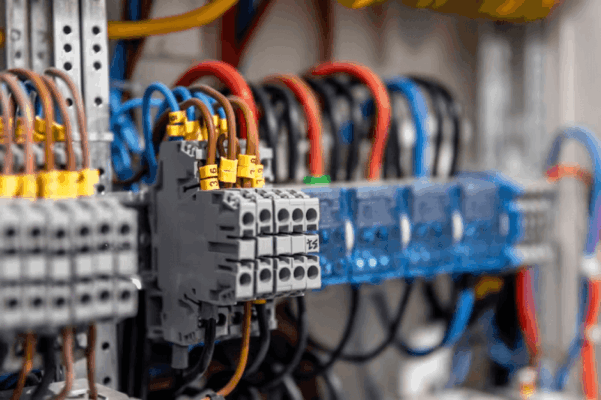
Distribution boards are a central part of a commercial electrical installation and should remain accessible, clearly identified and free from visible damage or deterioration.
Circuit labelling should also be clear and accurate. This is particularly important in larger premises, where maintenance teams may need to identify and isolate individual circuits quickly.
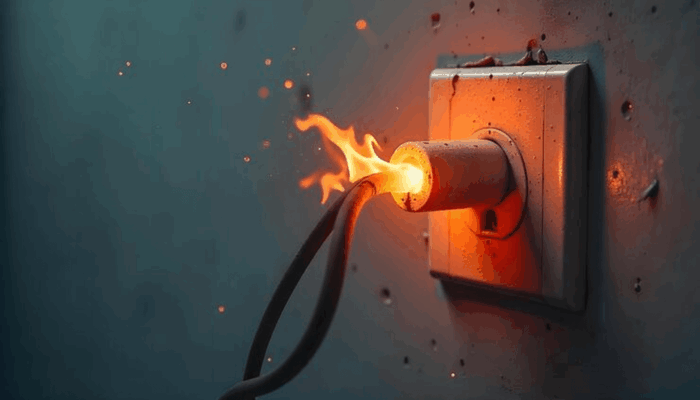
Unusual heat, buzzing, burning smells, scorch marks or other visible signs of damage should never be ignored and should be assessed by a qualified electrician.
Fixed Wiring, Sockets and Switches
Electrical accessories experience regular wear and tear, particularly in busy commercial environments.
Facilities managers should look out for signs such as:
- Cracked, broken or damaged sockets
- Loose switches or electrical accessories
- Discolouration or scorch marks
- Evidence of overheating
- Damaged or exposed cables
- Frequently tripping circuits
- Unauthorised temporary electrical arrangements
- Repeated faults affecting the same area
A recurring electrical fault may be more than an isolated problem. It could indicate deterioration elsewhere within the installation or that the system is struggling to meet the demands being placed upon it.
Lighting and Emergency Lighting
Effective lighting is essential for commercial buildings, both for everyday operations and general safety.
Facilities teams should monitor damaged fittings, persistent flickering, repeated failures and lighting that is no longer appropriate for the way a space is being used.
Emergency lighting also requires appropriate inspection, testing and maintenance. Records should be retained to demonstrate that testing has been undertaken and that identified faults have been addressed.
Portable Electrical Equipment
Portable appliances should also form part of a wider electrical maintenance strategy.
Routine visual inspections can help identify damaged plugs, cables, chargers and appliances. Where appropriate, PAT testing can provide further assurance about the condition of portable electrical equipment.
The approach should reflect the type of equipment, its environment and how frequently it is used.
Don’t Simply Treat the Symptoms
One of the biggest advantages of regular inspection is the opportunity to identify recurring problems rather than continually addressing them individually.
If the same circuit repeatedly trips or particular sockets regularly fail, simply replacing components may not resolve the underlying issue.
Changes to the building, increased electrical demand, ageing infrastructure or previous alterations could all contribute to recurring faults.
Investigating the root cause can help facilities managers reduce repeat call-outs, minimise disruption and make better long-term maintenance decisions.
Turning Inspection Findings into Action
Identifying an electrical issue is only the first step. Any recommendations arising from an inspection should be properly recorded, prioritised and followed through.
Facilities managers can create a structured process for:
- Recording identified defects and recommendations
- Prioritising work according to urgency and risk
- Arranging remedial repairs
- Setting appropriate completion timescales
- Recording completed work
- Reviewing outstanding issues
- Updating maintenance plans where necessary
For larger commercial properties, inspection findings can be incorporated into planned preventative maintenance programmes, helping electrical work become part of an organised long-term strategy.
Using Inspections to Plan Future Maintenance
Electrical inspections can provide much more than an immediate list of faults. They can also help facilities managers understand where future investment may be required.
Ageing distribution equipment, deteriorating accessories or outdated elements of an installation may not require immediate replacement but could become a priority over time.
Identifying these issues early allows businesses to plan budgets, schedule works and minimise disruption rather than waiting for an unexpected failure.
For organisations responsible for several commercial properties, inspection reports can also help establish which buildings require the greatest attention and where investment should be prioritised.
Keep Electrical Documentation Up to Date
Good record-keeping is an important part of effective facilities management.
Depending on the property and its systems, documentation may include:
- Electrical inspection reports
- Test certificates
- Distribution board schedules
- PAT testing records
- Emergency lighting records
- Records of electrical repairs
- Electrical drawings, where available
- Documentation relating to alterations and upgrades
Keeping these records accurate and accessible can make future maintenance and fault-finding more efficient. It also gives facilities teams a clearer history of how the electrical installation has developed over time.
Consider Electrical Capacity Before Adding New Equipment
Commercial buildings often evolve, with new machinery, technology and services being introduced as business requirements change.
Equipment such as air conditioning systems, commercial appliances, machinery, heating systems, data equipment and EV charging infrastructure can increase electrical demand significantly.
Before installing new equipment, facilities managers should consider whether the existing installation has sufficient capacity and whether additional circuits or other electrical upgrades may be required.
Bringing an appropriately qualified electrical contractor into the project at an early stage can help identify potential requirements, coordinate electrical works and reduce the risk of unexpected complications during installation.
Don’t Overlook Electrical Requirements During Refurbishments
Refurbishment and alteration projects can have a significant impact on a building’s electrical infrastructure.
Changing internal layouts, converting rooms, increasing occupancy or introducing new equipment can all alter electrical requirements.
Electrical considerations should therefore be incorporated into refurbishment planning from the outset. Assessing the existing installation early can help determine whether upgrades or modifications are needed before work begins.
This can improve project coordination and reduce the likelihood of additional electrical work delaying the wider programme.
Taking a Proactive Approach to Commercial Electrical Safety
Facilities managers do not need to undertake specialist electrical testing themselves, but they have an important role to play in maintaining an effective inspection and maintenance programme.
Monitoring recurring faults, keeping electrical records organised, arranging appropriate inspections and ensuring remedial recommendations are addressed can all contribute to better electrical management.
Ultimately, commercial electrical inspections should not simply be viewed as a way of finding faults. They are an important part of understanding the condition of a building’s electrical infrastructure, planning future maintenance and reducing the likelihood of avoidable disruption.
By taking a proactive approach, facilities managers can make informed decisions about repairs, upgrades and investment while helping to maintain a safe, reliable and well-managed commercial environment.