

Electrical safety is essential in every UK home, workplace and commercial property. Poorly installed, outdated or damaged electrical systems can increase the risk of electric shock, electrical fires, equipment damage and costly repairs. This is why electrical work must be designed, installed and maintained in line with recognised safety standards and applicable regulations.
But what exactly are electrical regulations, why do they matter and how do they help protect people and property?
Whether you are installing new sockets, upgrading a consumer unit, adding an EV charger or carrying out electrical work in a commercial building, understanding the basics of UK electrical standards can help you make safer and more informed decisions.
What Are Electrical Regulations and Standards?
One of the key standards for electrical installations in the UK is BS 7671 – Requirements for Electrical Installations, commonly known as the IET Wiring Regulations.
BS 7671 provides detailed technical guidance for the design, installation, inspection and testing of electrical systems. Although BS 7671 is not legislation itself, it is widely recognised as an important standard for demonstrating that an electrical installation has been designed and installed appropriately.
Electrical work may also need to comply with other applicable legislation and building requirements, depending on the type, location and purpose of the installation.
A Recognised UK Standard
BS 7671 establishes requirements for electrical installations across a wide range of properties, including homes, offices, shops, industrial premises and other buildings.
It covers areas such as:
- Cable selection and installation
- Earthing and bonding
- Circuit protection
- Residual Current Devices (RCDs)
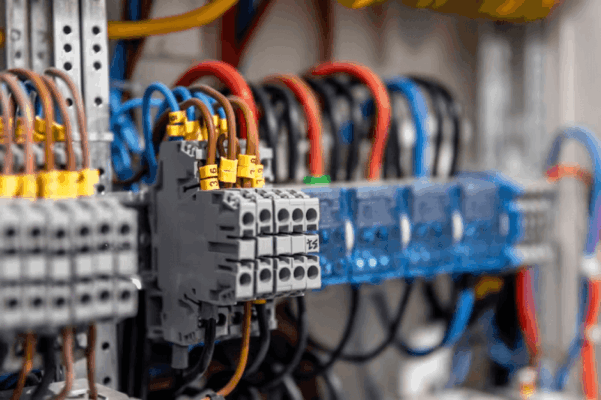
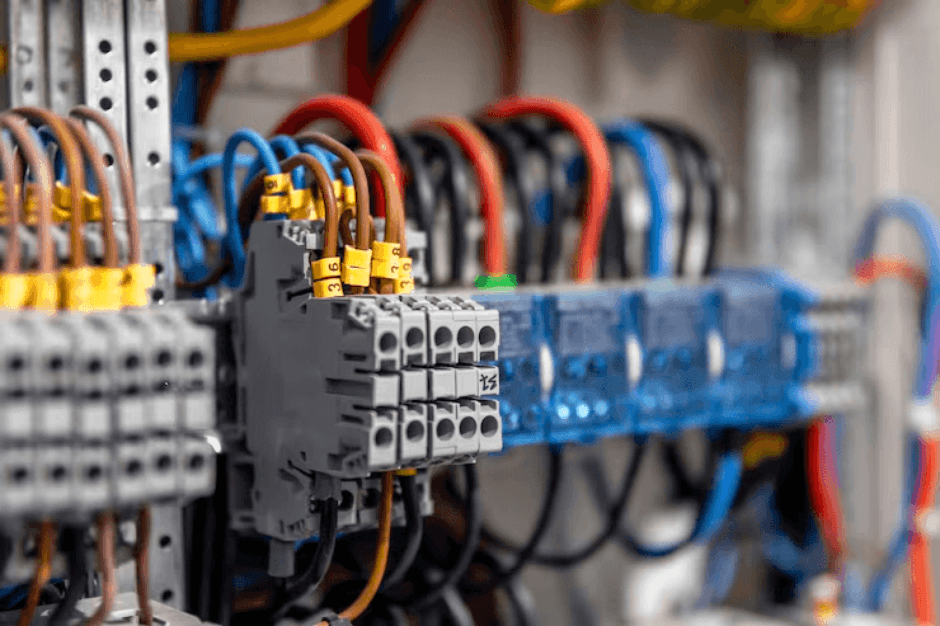
- Consumer units and distribution equipment
- Electrical equipment and accessories
- Special locations, including bathrooms
- Inspection, testing and certification
Following the relevant requirements helps reduce electrical risks and provides a consistent approach to installation and maintenance.
Why Are Electrical Standards Necessary?
Electricity is extremely useful, but it can become dangerous when electrical systems are incorrectly installed, overloaded or poorly maintained.
Electrical standards help ensure that installations are capable of handling their intended loads while incorporating suitable protection against faults. They also provide electricians with clear technical requirements when designing or modifying electrical systems.
Regulations Develop Over Time
Electrical technology continues to evolve. New technologies such as electric vehicle charging equipment, renewable energy systems, battery storage and smart electrical products have introduced new installation considerations.
For this reason, electrical standards are periodically updated. An installation that was considered acceptable when it was first installed may not necessarily meet the requirements for new electrical work today.
This does not automatically mean an older installation is unsafe, but it highlights why professional inspection is important before making significant alterations or additions.
How Electrical Regulations Help Protect People
The primary purpose of electrical safety requirements is to reduce the risk of injury and protect people from electrical hazards.
Reducing the Risk of Electric Shock
Electrical installations require appropriate protective measures, including suitable earthing, bonding and fault protection.
RCDs can provide additional protection by disconnecting a circuit when they detect an imbalance in electrical current. When correctly selected and installed, these devices can significantly reduce the risk associated with certain electrical faults.
Helping Prevent Electrical Fires
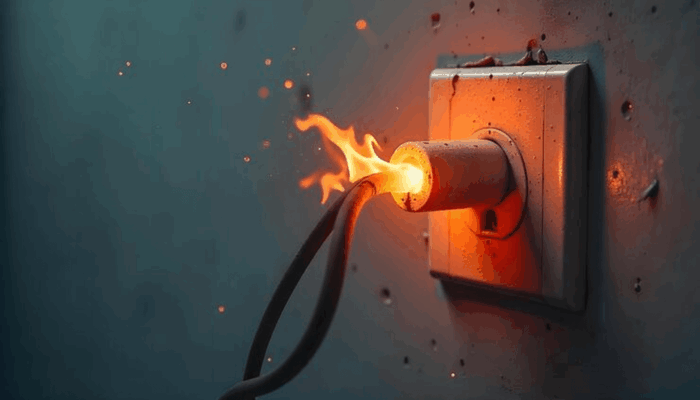
Overloaded circuits, damaged cables, loose connections and incorrect protection can cause excessive heat and potentially contribute to electrical fires.
Electrical standards specify appropriate cable sizes, protective devices and installation methods to help prevent overheating and other hazards.
Circuit breakers and other protective equipment can disconnect circuits when certain fault or overload conditions occur.
Providing Safe Isolation
Electrical systems also need appropriate methods of isolation so that circuits or equipment can be safely disconnected during maintenance, inspection or emergency situations.
Safe isolation is particularly important when electricians are working on existing installations or carrying out repairs and upgrades.
Electrical Regulations and UK Building Requirements
Electrical work can also be connected to building regulations, depending on the project and location within the UK.
For example, Part P of the Building Regulations applies to certain electrical work in dwellings in England. It is intended to ensure that electrical installations are designed and installed in a way that protects people from fire or injury.
Requirements differ across the UK, so homeowners should ensure that electrical work complies with the regulations applicable in their part of the country.
Where applicable, electrical work may need to be notified or certified through the appropriate process.
Why Electrical Certification Matters
Electrical certificates provide important documentation showing that certain electrical work has been inspected or tested and meets the relevant requirements.
Depending on the type of work, documentation may include certificates such as:
- Electrical Installation Certificate (EIC)
- Minor Electrical Installation Works Certificate (MEIWC)
- Electrical Installation Condition Report (EICR)
An EICR is generally used to assess the condition of an existing electrical installation rather than certify newly installed work.
Keeping relevant electrical documentation can be useful for homeowners, landlords, property managers and businesses. It can also provide an important record when electrical systems are upgraded, maintained or inspected in the future.
What Can Happen If Electrical Work Is Non-Compliant?
Incorrect electrical work can create both safety and practical problems.
Potential consequences can include:
Increased Safety Risks
Poor workmanship or unsuitable electrical components can increase the risk of electric shock, overheating, equipment damage and fire.
Problems With Property Transactions
Electrical documentation can be important when selling, purchasing or managing a property. If significant electrical work has been carried out without the appropriate certification or notification, this may create additional questions or complications during a property transaction.
Insurance Considerations
Following an electrical incident, insurers may request information about the installation, maintenance or circumstances surrounding the event. Keeping appropriate records and using competent professionals can help demonstrate that electrical work has been carried out responsibly.
Insurance policies differ, so property owners should always check their individual policy requirements rather than assuming that certification automatically guarantees cover.
Why Use a Qualified Electrical Professional?
Electrical systems are complex and modern installations often involve multiple components working together.
A competent electrical professional should understand the relevant requirements and know how to apply them to the particular installation.
Professional electrical work can help with:
- Assessing existing installations
- Designing new circuits
- Selecting suitable cables and protective devices
- Installing sockets, lighting and other equipment
- Upgrading consumer units
- Installing EV charging equipment
- Carrying out inspection and testing
- Identifying potential electrical hazards
- Providing appropriate certification where required
Importantly, electrical work should not simply focus on the new component being installed. An electrician should consider how the addition affects the wider electrical installation.
Electrical Safety for Older Properties
Many UK properties have electrical installations that have been modified or extended several times over their lifetime. Older wiring, outdated accessories or previous DIY alterations may not be immediately obvious.
If you are buying an older property, planning a major renovation or experiencing recurring electrical problems, an inspection by a competent professional can help establish the condition of the installation.
Signs that may warrant professional attention include:
- Frequently tripping circuit breakers
- Flickering or dimming lights
- Burning smells around electrical accessories
- Discoloured sockets or switches
- Damaged cables
- Buzzing or crackling sounds
- Repeated fuse failures
- Sockets or switches becoming unusually warm
These issues should not be ignored, particularly where there are signs of overheating or burning.
Electrical Safety Should Never Be Treated as Optional
Electrical regulations and standards exist for a simple reason: to reduce risk and improve safety.
BS 7671 provides an important framework for electrical installation work in the UK, while building regulations and other legislation establish additional requirements depending on the project.
Whether you are carrying out a small electrical upgrade or planning a complete refurbishment, using a competent professional and ensuring the appropriate inspection and certification are completed can help protect your property, your equipment and the people who use the building.
Ultimately, electrical safety is not an area where cutting corners is worth the risk. Professional installation, regular maintenance and appropriate testing provide a much safer foundation for any electrical system.