

Modern homes rely on electrical power and connectivity for almost everything, from lighting and kitchen appliances to computers, televisions, broadband routers and smart home technology. As the way we use our homes changes, existing sockets and connection points do not always end up in the most convenient places.
You may need an additional socket for a home office, power for an outdoor building, new electrical connections as part of a renovation or telephone and data points in another room. This is where the subject of extension wiring becomes important.
However, there is an important distinction between using a simple plug-in extension lead and altering or extending a home’s fixed electrical installation. While homeowners can safely use many commercially manufactured extension leads, work involving fixed wiring, new sockets, consumer units or alterations to existing circuits should be assessed and carried out by a suitably qualified electrician.
Understanding how extension wiring works can help homeowners make informed decisions, identify potential problems and know when professional electrical services are required.
What Is Extension Wiring?
Extension wiring generally refers to extending an existing electrical or communications connection to another location.
The term can cover several different situations, including:
- Installing an additional electrical socket
- Extending a lighting circuit
- Providing power to a garage or garden building
- Adding electrical connections during a home extension
- Installing telephone or data points
- Relocating a connection to make a room more practical
- Upgrading wiring during a renovation
- Providing power for outdoor lighting or equipment
The correct approach depends on what is being extended and whether the work involves a fixed electrical installation or simply a removable extension lead.
For example, plugging a computer into a manufactured extension lead is very different from installing a new wall socket by extending an existing circuit.
Extension Leads vs Fixed Electrical Wiring
This distinction is important for homeowners.
Plug-In Extension Leads
A standard extension lead is a temporary or portable way of supplying power from an existing socket. They can be useful for items such as computers, lamps and other suitable appliances.
However, extension leads should not be treated as a permanent substitute for properly installed sockets.
Overloading an extension lead, connecting too many high-powered appliances or using damaged cables can create electrical hazards.
Fixed Extension Wiring
Fixed electrical work involves altering or adding to the property’s electrical installation.
This might include:
- New socket outlets
- Additional lighting points
- New circuits
- Garage supplies
- Garden electrical supplies
- Rewiring
- Consumer unit alterations
- Electrical work associated with an extension or renovation
This type of work needs proper design, installation and testing. It should be undertaken by a competent electrical professional rather than treated as a straightforward DIY project.
Why Might Your Home Need Additional Wiring?
There are many reasons why homeowners decide to extend or upgrade their electrical installation.
Creating a Home Office
Working from home has made convenient access to power and connectivity increasingly important.
A home office may require several carefully positioned sockets for:
- Computers
- Monitors
- Printers
- Desk lighting
- Chargers
- Networking equipment
Instead of relying on several extension leads and trailing cables, a properly planned electrical installation can provide sockets where they are actually needed.
Renovating a Kitchen
Kitchen renovations often involve changes to the electrical requirements of a property.
Modern kitchens can contain numerous appliances, including ovens, hobs, refrigerators, dishwashers, washing machines, microwaves and smaller countertop appliances.
The electrical installation needs to be planned around the layout and the intended appliances. Simply adding multiple appliances to existing sockets without considering circuit capacity can create problems.
Converting a Garage or Outbuilding
Garages, workshops and garden buildings may require dedicated electrical supplies for lighting, sockets, tools, freezers, security equipment or other equipment.
Where power needs to be supplied to a separate building, the installation needs to be properly designed, protected and suitable for the environment.
Outdoor and outbuilding installations can involve additional considerations such as cable routing, mechanical protection, weather resistance and suitable protective devices.
Extension Wiring During a Home Extension
If you are physically extending your house, electrical requirements should be considered at the design stage rather than left until the building work is nearly finished.
A new extension may require:
- Additional sockets
- Lighting
- External lighting
- Smoke or heat alarms where required
- Kitchen or utility connections
- Heating controls
- Data points
- Garden or patio power
- Additional circuits
Planning these requirements early can make the installation cleaner and reduce the need to reopen walls or ceilings later.
An electrician can work alongside builders and other trades to coordinate cable routes, socket positions and other electrical requirements.
Choosing the Correct Cable and Electrical Equipment
Electrical cables are designed for specific applications and loads. The appropriate cable type and size depends on factors such as the circuit design, installation method, length, expected load and environmental conditions.
This is why choosing a cable simply because it looks suitable is not enough.
Important considerations can include:
- Cable size and current-carrying capacity
- Installation method
- Cable length
- Voltage drop
- Thermal conditions
- Mechanical protection
- Environmental exposure
- Circuit protection
- Earthing and bonding arrangements
For fixed electrical installations, these factors need to be assessed as part of the overall circuit design.
Using an inappropriate cable or protective device can result in overheating, nuisance tripping, equipment problems or serious electrical safety risks.
Why Cable Routing Matters
How electrical wiring is installed can be just as important as the cable itself.
Cables may need to be routed through walls, floors, ceilings, loft spaces or external areas. They must be installed in a way that protects them from damage and complies with applicable requirements.
Poor cable routing can result in:
- Damaged insulation
- Accidental drilling or fixing damage
- Loose connections
- Excessive heat
- Difficult future maintenance
- Unsightly installations
Professional cable management can also make a noticeable difference to the appearance of a finished room.
Where surface-mounted wiring is necessary, suitable trunking or containment can provide a cleaner and more protected installation.
Extending Telephone and Broadband Connections
Not all extension wiring is electrical power wiring.
Homes may also require additional telephone, broadband or data connections.
Older telephone systems traditionally used a master socket with extension points connected from it. However, modern broadband arrangements can vary depending on the service provider and equipment being used.
Poor-quality connections, excessive cable lengths, damaged cables and unsuitable extensions can contribute to connectivity problems.
Potential symptoms include:
- Broadband dropouts
- Reduced connection performance
- Noise on telephone lines
- Intermittent connections
- Poor-quality data transmission
If broadband performance changes after moving or extending a connection, it is worth checking the cabling, connections and network equipment before assuming the broadband service itself is at fault.
Common Problems Caused by Poor Extension Wiring
Incorrect or poorly planned wiring can cause anything from minor inconvenience to serious safety problems.
Some common warning signs include:
Frequently Tripping Circuit Protection
If an RCD, RCBO or circuit breaker repeatedly trips after new equipment or wiring has been installed, there may be an underlying fault, overload or other issue that requires investigation.
Do not repeatedly reset protective devices without identifying why they are operating.
Flickering Lights
Flickering can have various causes, including loose connections, unsuitable equipment or problems elsewhere within the installation.
Persistent flickering should be investigated by a qualified electrician.
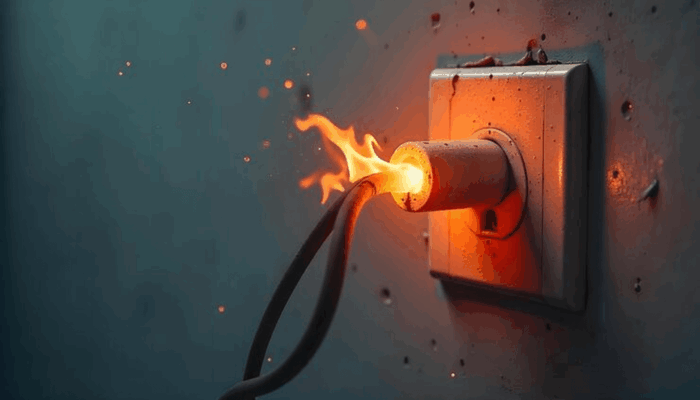
Warm or Discoloured Sockets
A socket that feels unusually warm, shows signs of scorching or has visible discolouration should not be ignored.
These can be warning signs of overheating or a poor connection.
Buzzing or Crackling
Unusual buzzing, crackling or sizzling noises from sockets, switches or electrical equipment can indicate a potentially dangerous fault.
Switch off the affected circuit where it is safe to do so and seek professional assistance.
Damaged Cables
Frayed, crushed, exposed or otherwise damaged cables should not be used. Damaged insulation can expose people to electrical hazards and should be dealt with promptly.
Don’t Overload Extension Leads
One of the most common mistakes in homes is using extension leads as a permanent solution to insufficient sockets.
An extension lead has a maximum load and that limit must not be exceeded.
High-powered appliances such as heaters, kettles and other demanding equipment can place substantial loads on electrical connections. Connecting multiple high-load appliances to one extension lead can increase the risk of overheating.
Extension leads should also be kept away from situations where they could be damaged, trapped or exposed to moisture.
If a room regularly requires multiple extension leads, it may be worth asking an electrician whether additional fixed sockets would provide a safer and more practical solution.
Do You Need an Electrician for Extension Wiring?
If the work involves altering your home’s fixed electrical installation, using a qualified electrician is the safest approach.
Examples include:
- Installing new sockets
- Adding new circuits
- Extending existing circuits
- Rewiring
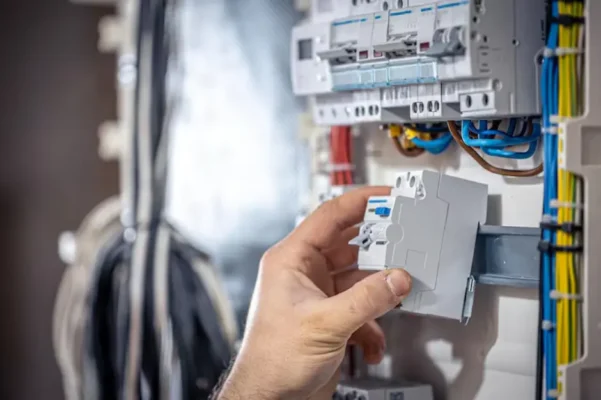
- Altering the consumer unit
- Installing supplies to garages or outbuildings
- Installing outdoor electrical equipment
- Electrical work connected with extensions
- Investigating faults or repeated tripping
A professional can assess the existing installation, determine whether it can safely accommodate the proposed work and complete the necessary testing after installation.
Electrical Testing After Installation
Testing is an essential part of electrical work.
A new or altered installation should be checked to ensure it has been installed correctly and is operating safely.
Depending on the work undertaken, testing can include checks relating to:
- Continuity
- Insulation resistance
- Polarity
- Earth fault loop impedance
- Protective devices
- RCD operation
- Overall circuit performance
The appropriate tests depend on the nature of the work.
Documentation should also be provided where required, giving the homeowner a record of the work and relevant testing or certification.
Extension Wiring and UK Electrical Regulations
Electrical installations in UK homes need to meet the applicable requirements of the IET Wiring Regulations, BS 7671, as well as any relevant building and safety requirements.
The regulations cover the design, installation, inspection and testing of electrical installations.
For homeowners, the important point is that adding a socket or extending a circuit is not simply a matter of connecting a few wires. The work needs to form part of a safe electrical system.
Certain electrical work may also fall under specific Building Regulations requirements, particularly in England and Wales. The requirements can depend on the type and location of the work.
A qualified electrician can advise on what applies to your particular project.
Planning Electrical Work for a Home Renovation
If you are renovating your home, electrical planning should happen early.
Before walls are plastered or floors are finished, consider where you want:
- Sockets
- USB charging points
- Lighting
- Wall lights
- TV connections
- Data points
- Appliances
- Exterior lighting
- Security equipment
- Smart home devices
Thinking about these requirements before construction starts can help create a more practical installation and reduce the need for disruptive alterations later.
How Professional Extension Wiring Can Improve Your Home
Well-planned electrical work is about more than simply adding another socket.
It can make your home:
- Safer
- More convenient
- Better organised
- Easier to use
- More suitable for modern technology
- Better prepared for future changes
A carefully designed installation can also reduce reliance on trailing extension leads and help keep cables organised.
Electrical Extension and Rewiring Services from LA Otte
For homeowners considering additional electrical connections, rewiring or electrical work as part of a larger property project, L A Otte Electrical Services provides domestic electrical services across Essex and surrounding areas.
L A Otte states that its services include electrical work for home extensions and rewiring, as well as upgrades to garages and garden outbuildings. The company also provides domestic electrical services and emergency electrical assistance. (LA Otte | Electricians Clacton)
For larger home improvement projects, involving an electrician early can help ensure that electrical requirements are incorporated into the overall design rather than added as an afterthought.
Final Thoughts on Extension Wiring
Extension wiring can be an effective way to improve the functionality of a property, but it needs to be approached with safety in mind.
For simple, portable power requirements, a suitable manufactured extension lead may be sufficient. However, if you need additional fixed sockets, new circuits, outdoor supplies, rewiring or electrical alterations, professional installation is the appropriate route.
Planning electrical requirements alongside renovations, extensions and home improvements can also help you achieve a safer, tidier and more future-ready property.
If you are unsure whether your existing electrical system can accommodate an additional connection, it is better to have it assessed before carrying out any alterations. Electrical work should never be undertaken on the assumption that an existing circuit has sufficient capacity or protection.