

Electrical short circuits can happen suddenly and may cause power cuts, equipment damage, electric shocks or, in serious cases, electrical fires. While protective devices such as circuit breakers and RCDs help reduce the risks associated with electrical faults, good installation, regular maintenance and safe everyday use are equally important.
From overloaded sockets and damaged cables to faulty appliances and ageing wiring, there are several potential causes of electrical faults in UK homes and businesses. Understanding the warning signs and taking preventative measures can help keep your electrical system safer.
What Is an Electrical Short Circuit?
An electrical short circuit occurs when electricity follows an unintended path with very low resistance. This can cause a sudden increase in current, potentially triggering a fuse or circuit breaker.
Short circuits can result from damaged insulation, loose connections, faulty appliances, water ingress or problems within electrical wiring.
A circuit breaker or fuse is designed to disconnect the supply when excessive current occurs, helping to protect the circuit from damage. However, protective devices should not be treated as a substitute for fixing the underlying fault.
If a circuit repeatedly trips, the cause should be investigated rather than repeatedly resetting the breaker.
1. Avoid Overloading Electrical Sockets
One of the simplest ways to reduce electrical risks is to avoid overloading sockets and extension leads.
Plugging several high-powered appliances into the same extension lead can result in excessive current and overheating. Electrical Safety First recommends checking the current rating of extension leads and avoiding connecting one extension lead to another.
Be particularly careful with high-powered appliances such as:
- Electric heaters
- Kettles
- Irons
- Washing machines
- Tumble dryers
- Dishwashers
If you regularly need several extension leads or adaptors because there are not enough sockets, consider having your electrical installation assessed by a qualified electrician.
2. Check Electrical Cables for Damage
Damaged cables can expose conductors and create a risk of electrical faults.
Inspect flexible leads regularly for:
- Cuts or splits
- Fraying
- Exposed wires
- Crushed sections
- Burn marks
- Melted insulation
- Loose connections
Do not continue using equipment with visibly damaged wiring. Electrical Safety First advises replacing damaged cables and warns against relying on makeshift repairs such as insulating tape.
3. Look After Plugs and Sockets
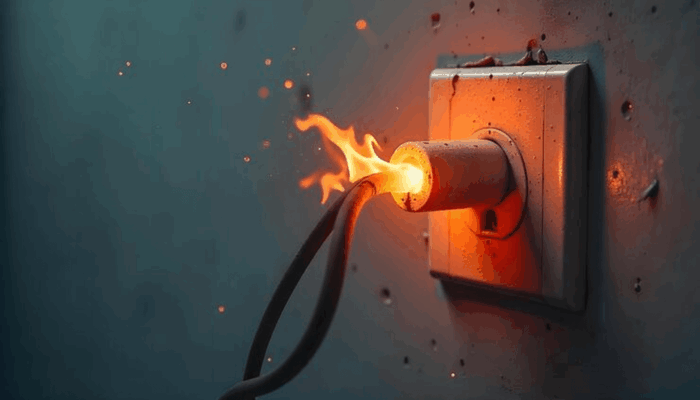
UK electrical plugs and sockets should be kept in good condition. Pay attention to warning signs such as:
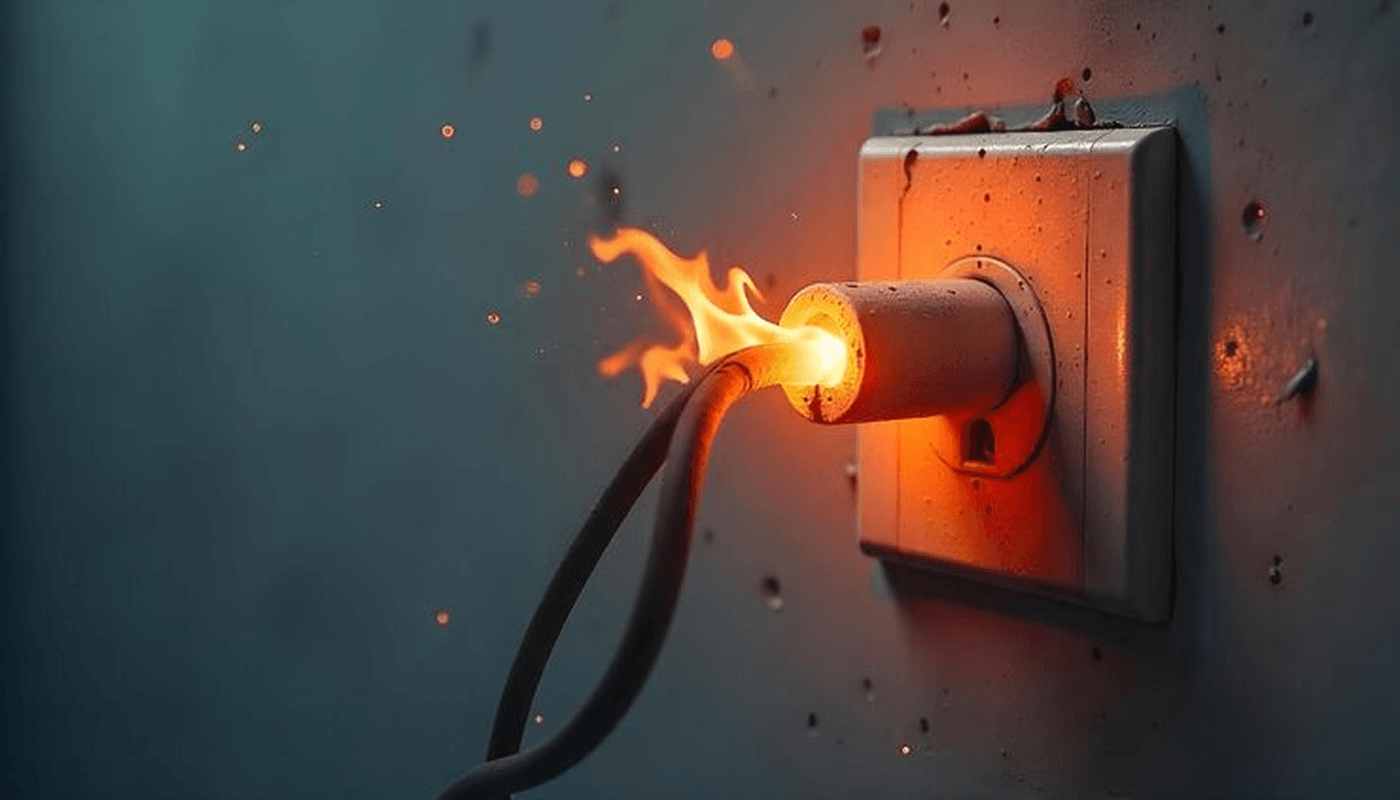
- Scorch marks
- Discolouration
- Burning smells
- Buzzing or crackling
- Excessive heat
- Loose sockets
- Repeatedly blown fuses
- Circuit breakers that keep tripping
These signs should not be ignored. Electrical Safety First recommends unplugging suspect equipment and contacting the appropriate retailer, manufacturer, repair technician or qualified electrician.
4. Use the Correct Fuse
UK plugs commonly use a BS 1362 fuse and the correct fuse rating should be selected in accordance with the appliance manufacturer’s instructions.
Never replace a fuse with an unsuitable rating simply because the original keeps blowing. A repeatedly blown fuse can indicate a fault with the appliance or electrical circuit.
If you are unsure why a fuse keeps blowing, stop using the equipment and seek professional advice.
5. Protect Your Electrical System with an RCD
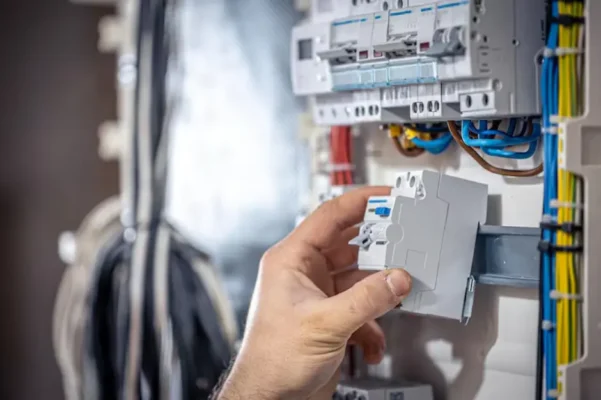
A Residual Current Device (RCD) provides an important layer of protection by disconnecting electricity when it detects certain types of current leakage.
RCD protection can help reduce the risk of serious electric shock, although it does not eliminate all electrical hazards.
If your property has RCD protection, make sure you know where the consumer unit is and follow the manufacturer’s guidance for testing the device.
If an RCD repeatedly trips, there may be a fault that needs investigation.
6. Keep Electricity Away from Water
Water and electricity are a dangerous combination. Keep electrical appliances, plugs and extension leads away from sinks, baths, wet floors and other sources of moisture unless the equipment is specifically designed for that environment.
Outdoor electrical equipment also needs appropriate protection. RCD protection is particularly important when using electrical equipment outdoors.
Never handle plugs, sockets or electrical appliances with wet hands.
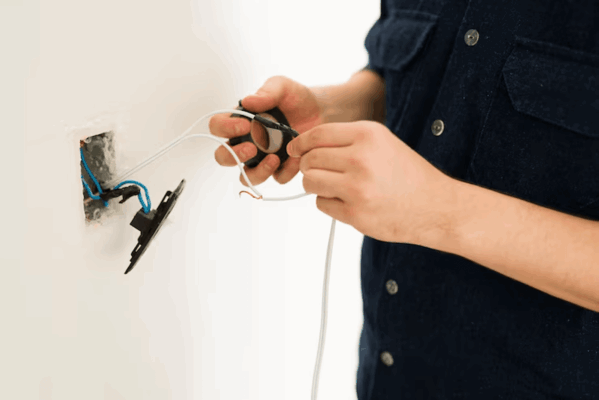
7. Avoid DIY Electrical Work
DIY projects can unintentionally damage concealed electrical cables.
Before drilling, cutting or fixing anything to a wall, consider where electrical cables may be located. Electrical Safety First specifically advises DIYers to avoid drilling, nailing or screwing close to electrical cables and recommends seeking advice from a competent electrician where there is uncertainty.
Electrical installation work should be carried out by a suitably qualified and competent professional.
8. Don’t Ignore Repeated Circuit Breaker Trips
A circuit breaker that trips once may be responding to a temporary fault or overload. However, repeated tripping should never be ignored.
It could indicate:
- A faulty appliance
- An overloaded circuit
- Damaged wiring
- A short circuit
- An earth fault
- A problem with the electrical installation
Instead of repeatedly resetting the breaker, disconnect appliances where it is safe to do so and arrange for the fault to be investigated.
9. Maintain Electrical Appliances
Faulty appliances can contribute to electrical problems, particularly when cables, plugs or internal components become damaged.
Before using an appliance, check for obvious signs of damage. Follow the manufacturer’s instructions and stop using equipment that behaves unusually.
Warning signs can include:
- Smoke
- Burning smells
- Unusual buzzing
- Sparks
- Excessive heat
- Repeated fuse failures
- Unexpected circuit breaker trips
Electrical Safety First recommends not ignoring unusual noises or appliances that are not working correctly.
10. Arrange Electrical Safety Inspections
Electrical installations can deteriorate over time. Connections may loosen, cables can become damaged and previous building or renovation work can affect concealed wiring.
Periodic inspection and testing can help identify deterioration, defects and potentially dangerous conditions.
For homeowners, Electrical Safety First recommends periodic inspection of the electrical installation at least every ten years, while rented properties in England are subject to specific legal inspection requirements.
A qualified electrician can advise on the appropriate inspection and testing arrangements for your property.
Common Causes of Electrical Short Circuits
Understanding common causes can make it easier to prevent problems.
Damaged Wiring
Cuts, exposed conductors or deteriorated insulation can allow unintended contact between conductors.
Faulty Appliances
An internal fault within an appliance can cause excessive current and trip protective devices.
Loose Connections
Poor or deteriorated connections can create heat and potentially contribute to electrical faults.
Overloaded Circuits
Using too many high-demand appliances on the same circuit can place excessive demands on the electrical installation.
Water Ingress
Moisture reaching electrical components can create dangerous conditions and electrical faults.
DIY Damage
Drilling, cutting or fixing into concealed wiring can damage cables and create an immediate or developing electrical hazard.
What to Do If You Suspect a Short Circuit
If you notice sparks, burning smells, smoke, unusual buzzing or repeated circuit breaker trips, take the situation seriously.
Where it is safe to do so:
- Stop using the affected appliance or electrical equipment.
- Disconnect the appliance if it can be done safely.
- Keep people away from damaged electrical equipment.
- Do not touch exposed wires.
- Do not repeatedly reset a circuit breaker without identifying the cause.
- Contact a qualified electrician to investigate the fault.
If there is an electrical fire, prioritise getting people to safety and contact the emergency services. Do not put yourself at risk trying to deal with live electrical equipment.
Electrical Short Circuit Prevention Checklist
A simple routine can help reduce the risk of electrical problems.
Check that:
- Sockets and plugs are free from visible damage.
- Cables are not frayed, crushed or exposed.
- Extension leads are not overloaded.
- Extension leads are not connected together.
- Electrical equipment is kept away from water.
- Damaged appliances are removed from use.
- RCD protection is available where appropriate.
- Circuit breakers are not repeatedly tripping.
- Electrical work is carried out by a suitably qualified professional.
- Electrical installations are inspected when appropriate.
Final Thoughts
Preventing electrical short circuits starts with good electrical installation, safe use of appliances and regular checks for signs of damage or deterioration. Simple measures such as avoiding overloaded sockets, maintaining cables, using appropriate protective devices and addressing repeated circuit breaker trips can all contribute to a safer electrical environment.
Most importantly, never ignore signs of an electrical fault. If you are unsure about the condition of your wiring, sockets or electrical equipment, seek advice from a qualified electrician rather than attempting potentially dangerous repairs yourself.
A proactive approach to electrical safety can help protect your property, appliances and, most importantly, the people using them.