

Loose electrical leads are easy to overlook, particularly in busy homes, offices, workshops and commercial buildings. A cable running across a floor or hanging awkwardly from a socket may seem like a minor inconvenience, but poorly positioned electrical leads can create trip hazards, cable damage and electrical safety risks.
With UK electrical plugs and appliances used throughout homes and workplaces every day, taking a few simple precautions can help keep electrical cables secure, protected and safely out of the way.
Why Loose Electrical Leads Can Be Dangerous
Electrical leads are designed to deliver power safely when they are correctly installed, positioned and maintained. Problems can occur when cables are left where they can be walked on, pulled, crushed or damaged.
A loose lead may create several hazards, including:
- Trips and falls caused by cables crossing walkways
- Damage to the cable insulation from being stepped on or crushed
- Exposed wires if the outer insulation becomes damaged
- Damage to plugs and sockets if cables are repeatedly pulled
- Overheating risks where cables are incorrectly used or damaged
- Accidental disconnection of equipment
- Additional hazards in workplaces, particularly around machinery, tools and high-traffic areas
Keeping electrical leads organised is therefore an important part of general electrical safety.
Keep Electrical Leads Away from Walkways
One of the simplest ways to reduce risk is to avoid running cables across areas where people regularly walk.
Where possible, position appliances and electrical equipment close enough to a suitable socket so that the lead does not need to stretch across the room.
If a cable genuinely needs to cross a walkway, it should be managed using an appropriate cable management solution designed for the environment rather than simply being left loose on the floor.
This is particularly important in:
- Kitchens
- Hallways
- Offices
- Workshops
- Retail premises
- Warehouses
- Commercial buildings
- Areas used by children or elderly people
Never Use Damaged Electrical Leads
Regularly check cables for signs of damage. Look for:
- Cuts or splits in the insulation
- Exposed or visible wires
- Burn marks
- Discolouration
- Melted sections
- Fraying
- Loose connections
- Damage around the plug or cable entry point
A damaged electrical lead should not simply be wrapped in tape and returned to service. Stop using the equipment and arrange for the appropriate repair or replacement.
If you are unsure whether an appliance, lead or plug is safe, seek advice from a qualified electrician.
Avoid Pulling Appliances by Their Cables
Electrical leads should not be used to move, drag or unplug appliances.
When disconnecting equipment, hold the plug rather than pulling the cable. Repeatedly pulling on a lead can put stress on the cable, plug and socket and may eventually cause damage.
This is especially relevant for appliances and equipment that are frequently moved or unplugged.
Keep Cables Away from Heat and Water
Electrical cables should be kept away from excessive heat and sources of water unless the equipment has been specifically designed for the environment.
For example, avoid positioning leads directly next to:
- Radiators
- Ovens and hobs
- Heaters
- Hot pipes
- Sinks
- Wet floors
- Outdoor areas exposed to unsuitable conditions
Water and electricity can create a serious safety hazard, so electrical equipment should always be used in accordance with the manufacturer’s instructions.
Don’t Trap Leads Under Carpets or Furniture
It can be tempting to hide an electrical cable underneath a carpet or run it beneath heavy furniture to keep it out of sight.
However, this can place pressure on the cable and make damage harder to identify. Heat can also become trapped in some situations.
Instead, use suitable cable management methods that keep the lead protected without putting unnecessary pressure on it.
Be Careful with Extension Leads
Extension leads can be useful when a socket is not conveniently positioned, but they should be used responsibly.
Avoid connecting multiple extension leads together unless the equipment and manufacturer specifically permit it. Do not overload extension leads and always check their condition before use.
Where additional sockets are regularly required in a particular location, having the electrical installation assessed by a qualified electrician may provide a safer and more suitable long-term solution.
Keep Plugs and Sockets Accessible
Electrical plugs and sockets should not be obstructed by furniture, stored items or other objects.
Keeping them accessible makes it easier to:
- Inspect plugs and cables
- Disconnect equipment quickly if necessary
- Identify signs of overheating or damage
- Avoid putting unnecessary strain on cables
If a socket is positioned somewhere that makes everyday use difficult, avoid creating makeshift cable arrangements simply to reach it.
Electrical Safety in the Workplace
Loose electrical leads can be particularly problematic in workplaces because employees, visitors and contractors may regularly move through busy areas.
Employers should consider how electrical equipment and cables are positioned as part of their wider workplace risk management arrangements.
Cables should be managed so they do not create unnecessary trip hazards or become exposed to damage from vehicles, equipment, foot traffic or stored materials.
Portable electrical equipment should also be maintained and inspected appropriately for the environment in which it is being used.
What Should You Do If You Find a Loose or Damaged Lead?
If you notice an electrical lead that is loose, damaged or creating a trip hazard:
- Stop and assess the situation.
- Keep people away from the hazard where appropriate.
- Switch off and unplug equipment if it is safe to do so.
- Do not use visibly damaged cables.
- Do not attempt an electrical repair unless you are suitably qualified.
- Replace or professionally repair damaged equipment as appropriate.
- Consider better cable management to prevent the same problem from happening again.
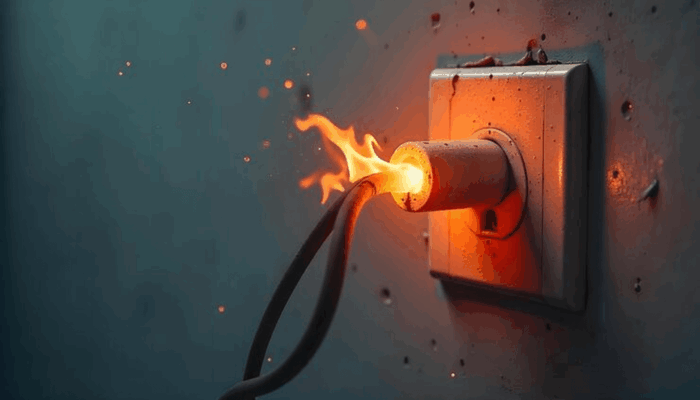
If there are signs of burning, smoke, sparking or overheating, switch off the power if it is safe to do so and seek professional assistance.
When Should You Call an Electrician?
A qualified electrician can help where loose cables are symptomatic of a wider electrical installation issue.
Professional advice may be appropriate if you have:
- Too few sockets for your everyday needs
- Regularly overloaded extension leads
- Damaged sockets or plugs
- Loose electrical connections
- Repeated tripping of protective devices
- Burning smells or signs of overheating
- Cables that require permanent repositioning
- Concerns about the safety of an electrical installation
Rather than relying on temporary solutions, a professional can assess the situation and recommend an appropriate approach.
Simple Electrical Safety Checklist
A quick check around your property can help identify potential problems.
Check that:
- Electrical leads are not creating trip hazards.
- Cables are free from visible damage.
- Plugs are not cracked, damaged or showing signs of overheating.
- Leads are kept away from excessive heat and water.
- Cables are not trapped under carpets or heavy furniture.
- Extension leads are not overloaded.
- Electrical equipment is used according to the manufacturer’s instructions.
- Damaged electrical equipment is removed from use.
- Regularly required sockets are provided through an appropriate electrical installation rather than excessive reliance on extensions.
Final Thoughts
Loose electrical leads may appear to be a small household or workplace issue, but proper cable management is an important part of electrical safety in the UK. Keeping cables protected, avoiding trip hazards and replacing damaged leads can help reduce unnecessary risks.
If you regularly find yourself relying on extension leads or using cables in awkward positions, it may be worth reviewing your electrical setup. A qualified electrician can advise on suitable solutions and identify whether additional electrical work is required.
A few minutes spent checking electrical leads and plugs can make a significant difference to the safety of your home or workplace.
Loose electrical leads are easy to overlook, particularly in busy homes, offices, workshops and commercial buildings. A cable running across a floor or hanging awkwardly from a socket may seem like a minor inconvenience, but poorly positioned electrical leads can create trip hazards, cable damage and electrical safety risks.
With UK electrical plugs and appliances used throughout homes and workplaces every day, taking a few simple precautions can help keep electrical cables secure, protected and safely out of the way.
Why Loose Electrical Leads Can Be Dangerous
Electrical leads are designed to deliver power safely when they are correctly installed, positioned and maintained. Problems can occur when cables are left where they can be walked on, pulled, crushed or damaged.
A loose lead may create several hazards, including:
- Trips and falls caused by cables crossing walkways
- Damage to the cable insulation from being stepped on or crushed
- Exposed wires if the outer insulation becomes damaged
- Damage to plugs and sockets if cables are repeatedly pulled
- Overheating risks where cables are incorrectly used or damaged
- Accidental disconnection of equipment
- Additional hazards in workplaces, particularly around machinery, tools and high-traffic areas
Keeping electrical leads organised is therefore an important part of general electrical safety.
Keep Electrical Leads Away from Walkways
One of the simplest ways to reduce risk is to avoid running cables across areas where people regularly walk.
Where possible, position appliances and electrical equipment close enough to a suitable socket so that the lead does not need to stretch across the room.
If a cable genuinely needs to cross a walkway, it should be managed using an appropriate cable management solution designed for the environment rather than simply being left loose on the floor.
This is particularly important in:
- Kitchens
- Hallways
- Offices
- Workshops
- Retail premises
- Warehouses
- Commercial buildings
- Areas used by children or elderly people
Never Use Damaged Electrical Leads
Regularly check cables for signs of damage. Look for:
- Cuts or splits in the insulation
- Exposed or visible wires
- Burn marks
- Discolouration
- Melted sections
- Fraying
- Loose connections
- Damage around the plug or cable entry point
A damaged electrical lead should not simply be wrapped in tape and returned to service. Stop using the equipment and arrange for the appropriate repair or replacement.
If you are unsure whether an appliance, lead or plug is safe, seek advice from a qualified electrician.
Avoid Pulling Appliances by Their Cables
Electrical leads should not be used to move, drag or unplug appliances.
When disconnecting equipment, hold the plug rather than pulling the cable. Repeatedly pulling on a lead can put stress on the cable, plug and socket and may eventually cause damage.
This is especially relevant for appliances and equipment that are frequently moved or unplugged.
Keep Cables Away from Heat and Water
Electrical cables should be kept away from excessive heat and sources of water unless the equipment has been specifically designed for the environment.
For example, avoid positioning leads directly next to:
- Radiators
- Ovens and hobs
- Heaters
- Hot pipes
- Sinks
- Wet floors
- Outdoor areas exposed to unsuitable conditions
Water and electricity can create a serious safety hazard, so electrical equipment should always be used in accordance with the manufacturer’s instructions.
Don’t Trap Leads Under Carpets or Furniture
It can be tempting to hide an electrical cable underneath a carpet or run it beneath heavy furniture to keep it out of sight.
However, this can place pressure on the cable and make damage harder to identify. Heat can also become trapped in some situations.
Instead, use suitable cable management methods that keep the lead protected without putting unnecessary pressure on it.
Be Careful with Extension Leads
Extension leads can be useful when a socket is not conveniently positioned, but they should be used responsibly.
Avoid connecting multiple extension leads together unless the equipment and manufacturer specifically permit it. Do not overload extension leads and always check their condition before use.
Where additional sockets are regularly required in a particular location, having the electrical installation assessed by a qualified electrician may provide a safer and more suitable long-term solution.
Keep Plugs and Sockets Accessible
Electrical plugs and sockets should not be obstructed by furniture, stored items or other objects.
Keeping them accessible makes it easier to:
- Inspect plugs and cables
- Disconnect equipment quickly if necessary
- Identify signs of overheating or damage
- Avoid putting unnecessary strain on cables
If a socket is positioned somewhere that makes everyday use difficult, avoid creating makeshift cable arrangements simply to reach it.
Electrical Safety in the Workplace
Loose electrical leads can be particularly problematic in workplaces because employees, visitors and contractors may regularly move through busy areas.
Employers should consider how electrical equipment and cables are positioned as part of their wider workplace risk management arrangements.
Cables should be managed so they do not create unnecessary trip hazards or become exposed to damage from vehicles, equipment, foot traffic or stored materials.
Portable electrical equipment should also be maintained and inspected appropriately for the environment in which it is being used.
What Should You Do If You Find a Loose or Damaged Lead?
If you notice an electrical lead that is loose, damaged or creating a trip hazard:
- Stop and assess the situation.
- Keep people away from the hazard where appropriate.
- Switch off and unplug equipment if it is safe to do so.
- Do not use visibly damaged cables.
- Do not attempt an electrical repair unless you are suitably qualified.
- Replace or professionally repair damaged equipment as appropriate.
- Consider better cable management to prevent the same problem from happening again.
If there are signs of burning, smoke, sparking or overheating, switch off the power if it is safe to do so and seek professional assistance.
When Should You Call an Electrician?
A qualified electrician can help where loose cables are symptomatic of a wider electrical installation issue.
Professional advice may be appropriate if you have:
- Too few sockets for your everyday needs
- Regularly overloaded extension leads
- Damaged sockets or plugs
- Loose electrical connections
- Repeated tripping of protective devices
- Burning smells or signs of overheating
- Cables that require permanent repositioning
- Concerns about the safety of an electrical installation
Rather than relying on temporary solutions, a professional can assess the situation and recommend an appropriate approach.
Simple Electrical Safety Checklist
A quick check around your property can help identify potential problems.
Check that:
- Electrical leads are not creating trip hazards.
- Cables are free from visible damage.
- Plugs are not cracked, damaged or showing signs of overheating.
- Leads are kept away from excessive heat and water.
- Cables are not trapped under carpets or heavy furniture.
- Extension leads are not overloaded.
- Electrical equipment is used according to the manufacturer’s instructions.
- Damaged electrical equipment is removed from use.
- Regularly required sockets are provided through an appropriate electrical installation rather than excessive reliance on extensions.
Final Thoughts
Loose electrical leads may appear to be a small household or workplace issue, but proper cable management is an important part of electrical safety in the UK. Keeping cables protected, avoiding trip hazards and replacing damaged leads can help reduce unnecessary risks.
If you regularly find yourself relying on extension leads or using cables in awkward positions, it may be worth reviewing your electrical setup. A qualified electrician can advise on suitable solutions and identify whether additional electrical work is required.
A few minutes spent checking electrical leads and plugs can make a significant difference to the safety of your home or workplace.