

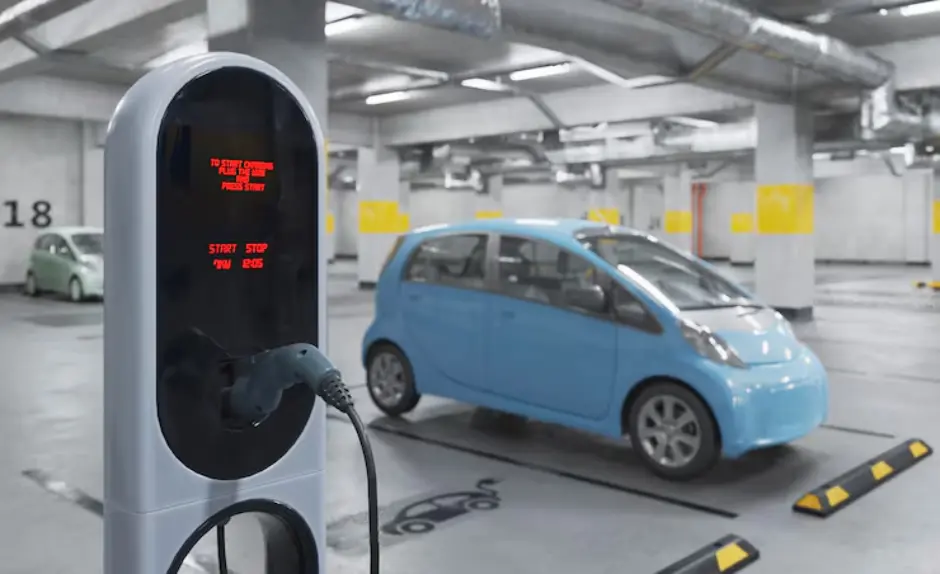
As electric vehicles (EVs) become increasingly common across the UK, workplace charging is becoming an important consideration for businesses, commercial properties and mixed-use developments. Providing access to EV charging can support employees, visitors and company vehicle fleets while helping businesses prepare for the continued shift towards electric transport.
However, installing workplace EV chargers involves more than simply choosing a charging point and connecting it to the existing electrical supply. The property’s electrical capacity, charger location, parking arrangements, user requirements, safety considerations and future demand should all be assessed before installation begins.
Why Install EV Charging at a Workplace?
Workplace charging can offer several practical benefits. Employees who drive electric vehicles may be able to recharge during the working day rather than relying solely on public charging networks or home charging.
For businesses operating electric company vehicles, vans or fleet cars, on-site charging can also make day-to-day vehicle management more convenient.
EV charging facilities can provide:
- Convenient charging for employees and visitors
- Support for electric company and fleet vehicles
- Greater flexibility for staff who cannot charge at home
- A useful addition to commercial property facilities
- Support for wider sustainability objectives
- Greater preparedness for the increasing adoption of EVs
For landlords and property owners, providing suitable charging infrastructure can also make commercial premises more attractive to occupiers who are considering their long-term transport and sustainability needs.
Assess the Property Before Installation
One of the most important stages of any workplace EV charging project is assessing the existing property and electrical installation.
EV chargers can place a significant additional load on an electrical system, particularly where several chargers are expected to operate simultaneously. Before installation, a qualified electrical professional should assess whether the existing supply and distribution equipment can safely accommodate the proposed charging demand.
The assessment may consider:
- Existing electrical capacity
- The property’s incoming electricity supply
- Consumer units and distribution boards
- Existing electrical loads
- Cable routes and installation distances
- Earthing and bonding arrangements
- The proposed number and type of chargers
- Future charging requirements
If the available capacity is limited, options such as load management or staged installation may help avoid unnecessary upgrades.
Consider How the Chargers Will Be Used
There is no single EV charging solution that suits every workplace. The right setup depends on how vehicles are used and how long they typically remain parked.
For example, employees who stay on-site throughout the working day may be well suited to slower AC charging. A business operating vehicles that need to return to the road quickly may have different requirements.
Consider:
- How many EVs currently use the site
- How many vehicles could require charging in the future
- How long vehicles usually remain parked
- Whether charging is primarily for employees, visitors or fleet vehicles
- Whether charging should be available during working hours only
- Whether users will pay for electricity
- Whether charging needs to be monitored or controlled
Planning for future demand can prevent the need for costly alterations when EV ownership increases.
Choosing the Right Location
The position of the charging points is another important consideration.
Ideally, chargers should be located where vehicles can park safely without creating unnecessary obstruction. Cable routes should be planned carefully, particularly where charging points are positioned away from existing electrical infrastructure.
The installation should take into account:
- Parking bay layout
- Vehicle access and manoeuvring
- Pedestrian routes
- Cable protection
- Visibility and lighting
- Accessibility requirements
- Protection from accidental vehicle impact
- Maintenance access
For outdoor installations, the charging equipment should also be suitable for the environment in which it will be installed.
Electrical Safety Should Come First
EV charging equipment forms part of the property’s electrical installation, so safety should be central to the design and installation process.
Installation should be carried out by a suitably qualified and competent electrical professional in accordance with the relevant UK requirements and current edition of BS 7671, the IET Wiring Regulations, including the requirements applicable to electric vehicle charging installations.
The installer should consider appropriate protective devices, earthing, cable sizing, isolation, protection against mechanical damage and other factors relevant to the specific installation.
The existing electrical installation should also be assessed rather than assuming that a suitable connection point is available.
Think About Load Management
A workplace with several EV chargers could potentially place a considerable demand on the property’s electrical supply.
For example, if multiple vehicles begin charging at the same time, the combined load could approach or exceed the available capacity. Smart charging and load management systems can help control this demand.
Depending on the installation, a management system may be able to:
- Distribute available power between chargers
- Reduce simultaneous peak demand
- Prioritise certain vehicles
- Schedule charging for particular periods
- Monitor energy consumption
- Support more efficient use of the existing electrical supply
This can be particularly useful for larger workplaces, commercial premises and properties planning to install multiple charging points.
Consider Future Expansion
It is often more cost-effective to think beyond the first installation.
A business might initially require only one or two chargers but could have considerably greater demand in the future. Installing suitable infrastructure and planning cable routes, electrical capacity and charging spaces with expansion in mind can make future upgrades easier.
Rather than simply asking, “How many chargers do we need today?”, businesses should also consider:
How many might we need in three, five or ten years?
Future-proofing does not necessarily mean installing the maximum possible number of chargers immediately. It means creating a sensible infrastructure strategy that can adapt as requirements change.
Workplace Charging Policies
Businesses should also establish how the charging facilities will be managed.
Questions worth considering include:
- Who can use the chargers?
- Will employees need to register?
- Will visitors have access?
- Will charging be free or paid?
- How will electricity costs be recovered?
- How long can vehicles remain in charging bays?
- What happens if all charging bays are occupied?
- Who is responsible for reporting faults?
- How will charger usage be monitored?
Having clear policies can help prevent disputes and ensure that charging bays remain available for those who need them.
Don’t Forget Accessibility and Parking Requirements
EV charging areas should be designed with practical accessibility in mind. Businesses should consider the needs of different users when deciding where charging points and associated parking spaces should be positioned.
The layout should provide safe access for pedestrians and vehicles while avoiding trip hazards and unnecessary obstruction.
Where a property has dedicated accessible parking spaces, loading areas, visitor parking or other designated bays, the charging strategy should take these existing arrangements into account.
Installation Is Only the Beginning
Once EV chargers have been installed, they should not simply be forgotten.
Like other electrical equipment, charging infrastructure should be kept in suitable condition and inspected or maintained as appropriate. Businesses should have a process for dealing with faults, damaged equipment and other concerns.
Regular checks can help identify issues such as:
- Physical damage to charging equipment
- Damaged cables or connectors
- Fault indications
- Problems with protective devices
- Water ingress or environmental damage
- Communication or software faults
Keeping appropriate records of installation, inspection, maintenance and repairs can also make ongoing management easier.
Get Professional Advice Before You Install
Workplace EV charging can be a valuable addition to a UK commercial property, but successful installation starts with proper planning.
The electrical capacity of the building, expected charging demand, charger locations, safety requirements, load management and future expansion should all be considered before work begins.
A professional assessment can help identify potential issues early and establish a charging solution that is practical, safe and appropriate for the property.
Preparing Your Property for the Future of Electric Vehicles
The move towards electric vehicles is changing the way businesses think about workplace facilities and electrical infrastructure. Whether you manage a small office, commercial building, industrial premises or larger multi-occupancy property, EV charging is increasingly likely to become part of the property’s long-term requirements.
By assessing the existing electrical installation, understanding how chargers will be used and planning for future demand, businesses can create EV charging infrastructure that works effectively today while remaining adaptable for tomorrow.