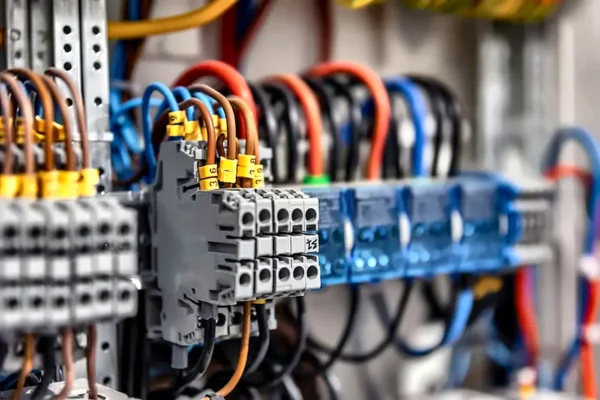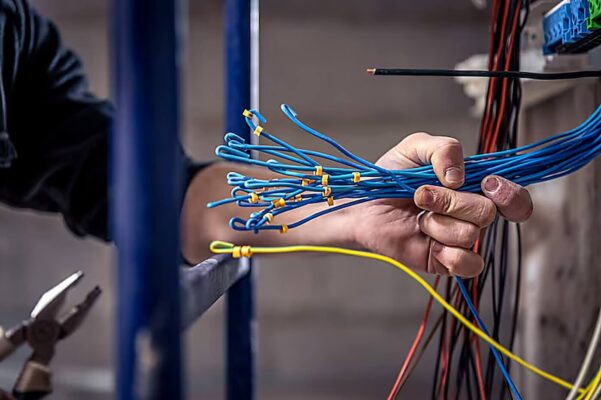



Commercial electrical work is a significant investment for any business. Whether you’re fitting out a new premises, upgrading electrical systems, carrying out compliance testing or planning ongoing maintenance, choosing the right commercial electrical contractor is essential to ensuring safety, efficiency and long term reliability.
With numerous contractors operating across the UK, selecting the right one can feel overwhelming. The quality of workmanship, adherence to regulations and level of expertise can vary considerably between providers. Taking the time to evaluate potential contractors carefully can help you avoid costly mistakes and ensure your project is completed to the highest standards.
Define Your Project Requirements
Before approaching electrical contractors, it is important to understand exactly what your business needs.
Consider factors such as:
- The size and complexity of the project
- Whether the work involves installation, maintenance, repairs or upgrades
- Your available budget
- Project deadlines and operational requirements
- Any specialist systems or equipment involved
A clear project brief will help contractors provide accurate quotations and ensure you find a company with the appropriate experience.
Research Potential Contractors
Start by creating a shortlist of commercial electrical contractors operating in your area.
Useful sources include:
- Online reviews and ratings
- Professional recommendations
- Industry directories
- Business referrals
- Case studies and project portfolios
Look for contractors with a strong reputation for reliability, professionalism and customer satisfaction. Consistently positive feedback often indicates a company that delivers quality work and dependable service.
Check Qualifications and Accreditations
Electrical work in commercial environments must comply with strict UK regulations and safety standards. As a result, qualifications and certifications should be one of the first things you verify.
A reputable contractor should be able to demonstrate:
- Relevant electrical qualifications
- Current industry certifications
- Appropriate insurance cover
- Compliance with UK electrical regulations
- Ongoing staff training and development
Accreditations can provide reassurance that the contractor follows recognised industry standards and best practices.
Assess Commercial Experience
Commercial electrical systems are often more complex than domestic installations. From power distribution networks and emergency lighting to fire alarm systems and data cabling, commercial environments require specialist knowledge.
When evaluating contractors, ask about:
- Previous commercial projects
- Experience within your industry sector
- Similar installations they have completed
- Their ability to manage projects of your size and scope
A contractor with relevant experience is more likely to identify potential challenges early and deliver efficient, compliant solutions.
Arrange Site Visits and Consultations
Professional electrical contractors will usually want to inspect the site before providing a detailed quotation.
A site visit allows them to:
- Assess the existing electrical infrastructure
- Identify potential risks or access issues
- Understand operational requirements
- Recommend suitable solutions
- Provide accurate cost estimates
It also provides an opportunity for you to assess their communication skills, professionalism and approach to customer service.
Obtain Detailed Quotations
Request written quotations from several contractors before making a decision.
A comprehensive quotation should clearly outline:
- The scope of work
- Labour and material costs
- Project timescales
- Testing and certification requirements
- Guarantees or warranties
- Any exclusions or additional charges
Comparing detailed quotations helps ensure you are evaluating like for like services rather than simply choosing the lowest price.
Prioritise Safety and Compliance
Safety should never be compromised when carrying out commercial electrical work.
Ask prospective contractors about:
- Health and safety procedures
- Risk assessments
- Compliance processes
- Staff training programmes
- Quality assurance measures
A contractor who prioritises safety helps protect your employees, customers, property and business operations while ensuring compliance with UK legislation.
Request References and Examples of Previous Work
Before committing to a contractor, ask for references from previous commercial clients.
Speaking with past customers can provide valuable insights into:
- Reliability and professionalism
- Quality of workmanship
- Project management capabilities
- Communication throughout the project
- Ability to meet deadlines and budgets
Viewing completed projects can also help you assess whether the contractor’s work meets your expectations.
Consider Long Term Value
While cost is an important consideration, it should not be the sole deciding factor.
The cheapest quotation may not offer the best value if it results in poor workmanship, delays or future maintenance issues. Instead, focus on finding a contractor that offers:
- Proven expertise
- Strong safety standards
- High quality workmanship
- Reliable support
- Transparent pricing
- Long term dependability
Investing in quality electrical services can save significant time and money over the lifespan of your electrical systems.
Making an Informed Decision
Once you have compared credentials, experience, quotations and references, select the contractor that best aligns with your project requirements and business objectives.
Establish clear expectations from the outset, including project timelines, communication procedures and deliverables. A collaborative working relationship can help ensure the project runs smoothly from start to finish.
Final Thoughts
Choosing a commercial electrical contractor is about far more than finding someone to carry out electrical work. It is about selecting a trusted professional who can deliver safe, compliant and reliable solutions that support your business for years to come.
By carefully evaluating qualifications, experience, safety practices and customer feedback, UK businesses can confidently choose a commercial electrical contractor capable of delivering exceptional results while meeting all relevant regulatory requirements.