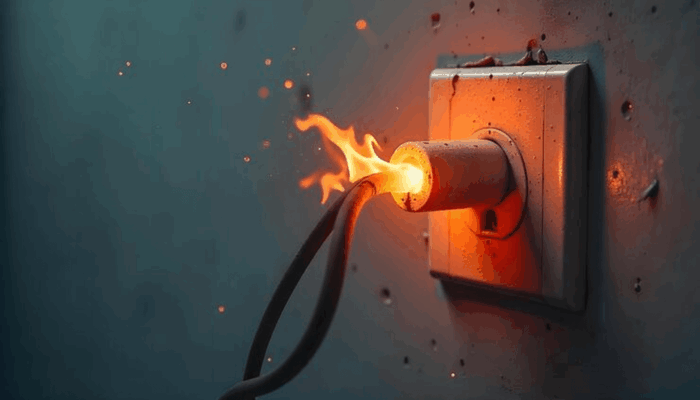


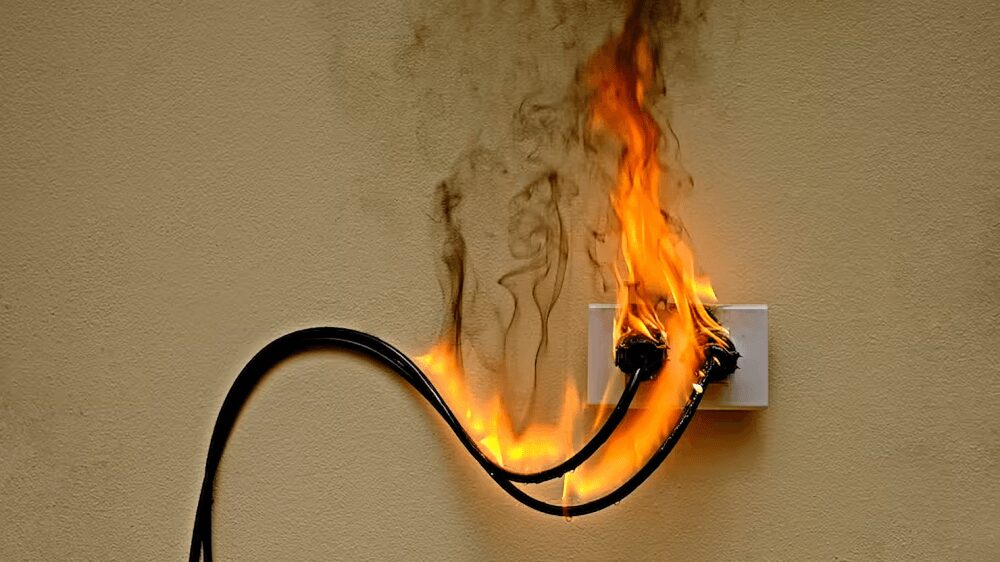
Electrical house fires remain one of the most serious domestic safety risks in the UK. According to fire safety data, thousands of incidents each year are linked to faulty wiring, overloaded circuits and unsafe electrical appliances. The good news is that many of these risks are preventable with awareness, regular maintenance and safe usage habits.
This blog explores the most common causes of electrical house fires in UK homes and how you can reduce the risk.
1. Faulty or Outdated Wiring
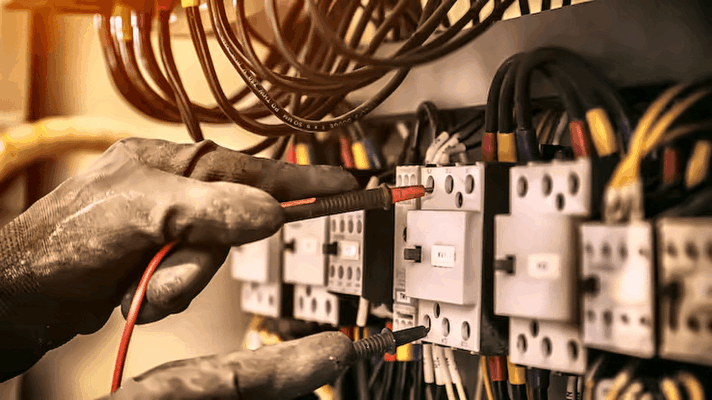
One of the leading causes of electrical fires is old or damaged wiring. Many UK homes, especially older properties, still contain wiring systems that were not designed to handle modern electrical demands.
Over time, wiring insulation can degrade, connections can loosen and circuits can become unsafe. This increases the risk of overheating and sparks, which may ignite surrounding materials.
Warning signs include:
- Frequent blown fuses or tripped circuit breakers
- Flickering lights
- Burning smell near sockets or switches
- Discoloured or warm outlets
If you notice any of these issues, it is essential to have a qualified electrician inspect your system.
2. Overloaded Sockets and Extension Leads
With increasing reliance on electrical devices, many households unknowingly overload sockets and extension leads. Plugging too many appliances into a single outlet can cause overheating.
This is especially common in kitchens, living rooms and home offices where multiple devices run simultaneously.
Risky practices include:
- Daisy chaining extension leads
- Using multiple high power appliances on one socket
- Leaving chargers permanently plugged in
To reduce risk, distribute appliances across multiple sockets and avoid exceeding recommended load limits.
3. Faulty or Poor Quality Electrical Appliances
Defective appliances are another major cause of house fires. Faults may develop due to manufacturing defects, wear and tear or improper use.
Common culprits include:
- Electric heaters
- Washing machines
- Tumble dryers
- Kitchen appliances such as kettles and microwaves
Cheap, uncertified or second hand electrical goods can be particularly dangerous if they do not meet UK safety standards.
4. Overheating Electrical Equipment
Electrical devices generate heat during operation, but when ventilation is blocked or components fail, they can overheat.
This is particularly dangerous for:
- Space heaters placed too close to furniture or curtains
- Laptops and chargers left on soft surfaces like beds or sofas
- Appliances used for long periods without breaks
Always ensure electrical equipment has proper airflow and is used according to manufacturer guidelines.
5. Faulty Light Fixtures and Lamps
Lighting systems are often overlooked as a fire risk. However, incorrect bulb wattage, loose wiring in fixtures or damaged lamp holders can lead to overheating and ignition.
Using bulbs with higher wattage than recommended can cause fittings to melt or burn over time.
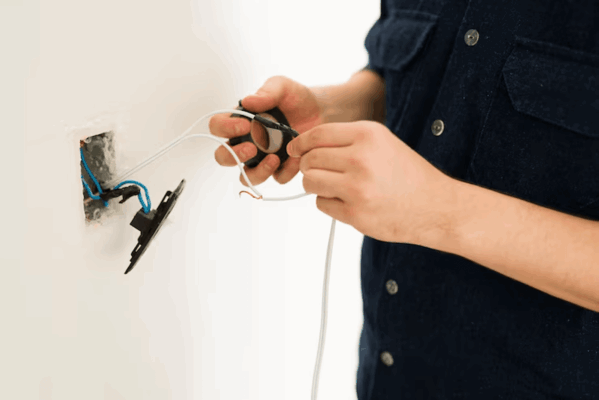
6. DIY Electrical Work
Attempting electrical repairs without proper training is a significant hazard. Poorly executed DIY work may result in exposed wires, incorrect connections or unsafe installations.
In the UK, electrical work should comply with strict safety regulations and many tasks legally require a qualified electrician.
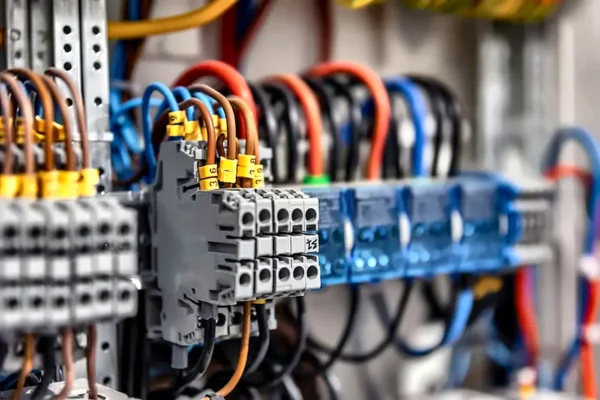
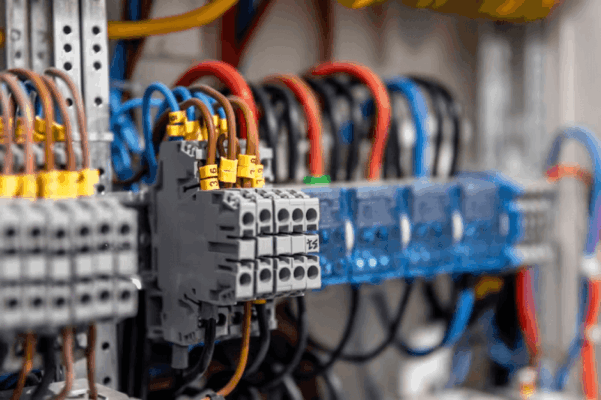
7. Aging Electrical Consumer Units (Fuse Boxes)
Older fuse boxes may not provide adequate protection against modern electrical loads. Modern consumer units include safety features such as RCDs (Residual Current Devices), which can quickly cut off power during faults.
Homes without updated systems are at higher risk of electrical fires going undetected until it is too late.
How to Reduce the Risk of Electrical Fires
Preventing electrical fires is largely about awareness and maintenance. Here are key safety steps:
- Schedule regular electrical inspections
- Replace damaged cords and plugs immediately
- Avoid overloading sockets
- Use certified electrical products
- Turn off appliances when not in use
- Install smoke alarms on every floor
- Upgrade old wiring and fuse boxes where necessary
Final Thoughts
Electrical house fires in the UK are often caused by preventable issues such as outdated wiring, overloaded sockets and faulty appliances. By taking proactive steps and ensuring your home meets modern electrical safety standards, you can significantly reduce the risk.
Electrical safety is not just about compliance—it’s about protecting your home, your belongings and most importantly, your life.