


The Health and Safety at Work etc. Act 1974 forms the foundation of workplace safety law in the UK. It places a legal duty on employers to protect the health, safety and welfare of their employees, as well as anyone who may be affected by their work activities, including members of the public.
While these regulations were designed to reduce workplace injuries and fatalities, they are often misunderstood. In everyday conversation, “health and safety” is sometimes criticised as overly restrictive or labelled as “overcautious bureaucracy.” However, this reputation can overlook the serious purpose behind the legislation: preventing real harm and ensuring safe working environments.
Importantly, breaches of health and safety law are not minor issues. They can be criminal offences, leading to significant penalties, including unlimited fines and, in severe cases, imprisonment.
The “Health and Safety Gone Mad” Debate
In the media and public discussion, health and safety rules are sometimes mocked through so called “over the top bans.” These stories are often exaggerated, but they highlight a common misunderstanding of how risk assessment works in practice.
Some widely reported examples (often presented without full context) include:
- Restrictions on certain playground activities due to injury risk
- Adjustments to school sports day games to reduce accidents
- Removal of potentially hazardous decorative plants in public spaces
- Limits on activities such as kite flying on some beaches due to public safety concerns
- Changes to menus in schools to reduce choking hazards
While these examples are often described as “barmy bans,” they usually stem from risk assessments intended to prevent foreseeable injuries. The challenge for employers and public bodies is finding the balance between safety and maintaining normal, enjoyable activities.
Poor understanding of these rules can also discourage people from reporting hazards, which can ironically increase the risk of accidents in workplaces.
Key Health and Safety Regulations in UK Workplaces
Several core regulations apply across UK industries, particularly in construction, trades, offices and public services.
Management of Health and Safety at Work Regulations 1999
This is one of the most important sets of regulations. It requires employers to:
- Carry out risk assessments
- Appoint competent safety personnel
- Provide health and safety training and information
- Maintain a written health and safety policy
It applies to almost all workplaces and underpins modern safety management systems.
Manual Handling Operations Regulations 1992
These regulations cover tasks involving lifting, carrying, pushing or pulling loads. Employers must:
- Assess risks associated with manual handling
- Reduce the need for hazardous lifting where possible
- Provide training and guidance to workers
They are especially relevant in construction, warehousing and trade industries.
Workplace (Health, Safety and Welfare) Regulations 1992
These regulations ensure that basic workplace conditions are safe and suitable, including:
- Adequate lighting, heating and ventilation
- Clean and sufficient workspace
- Suitable welfare facilities such as toilets and drinking water
- Safe access and movement around the workplace
Personal Protective Equipment (PPE) at Work Regulations 1992
Where risks cannot be eliminated, employers must provide suitable PPE free of charge, such as:
- Safety helmets
- Gloves
- Eye and face protection
- Ear defenders
- Safety footwear
Employees must also be trained in how to use PPE correctly.
Health and Safety (Display Screen Equipment) Regulations 1992
These apply to anyone using computers or screens regularly for work. Employers must:
- Provide eye tests where required
- Offer appropriate workstation equipment (chairs, desks, footrests)
- Ensure employees take regular breaks from screen use
This regulation is especially relevant in office environments.
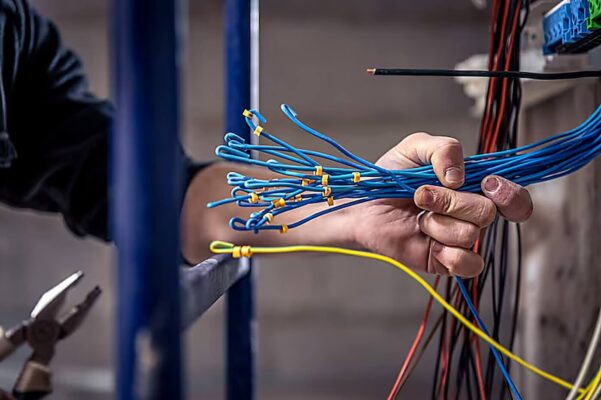
Electricity at Work Regulations 1989
These rules require electrical systems and equipment to be:
- Properly maintained and safe to use
- Regularly inspected
- Installed and operated by competent persons
Electrical safety is critical, particularly in high risk environments such as construction and maintenance work.
Conclusion
Health and safety regulations in the UK are sometimes misunderstood as unnecessary restrictions, but their primary purpose is to prevent injury, protect lives and ensure safe working conditions. While some rules may appear overly cautious in isolated cases, most are based on practical risk assessments designed to reduce real and avoidable harm in the workplace.