

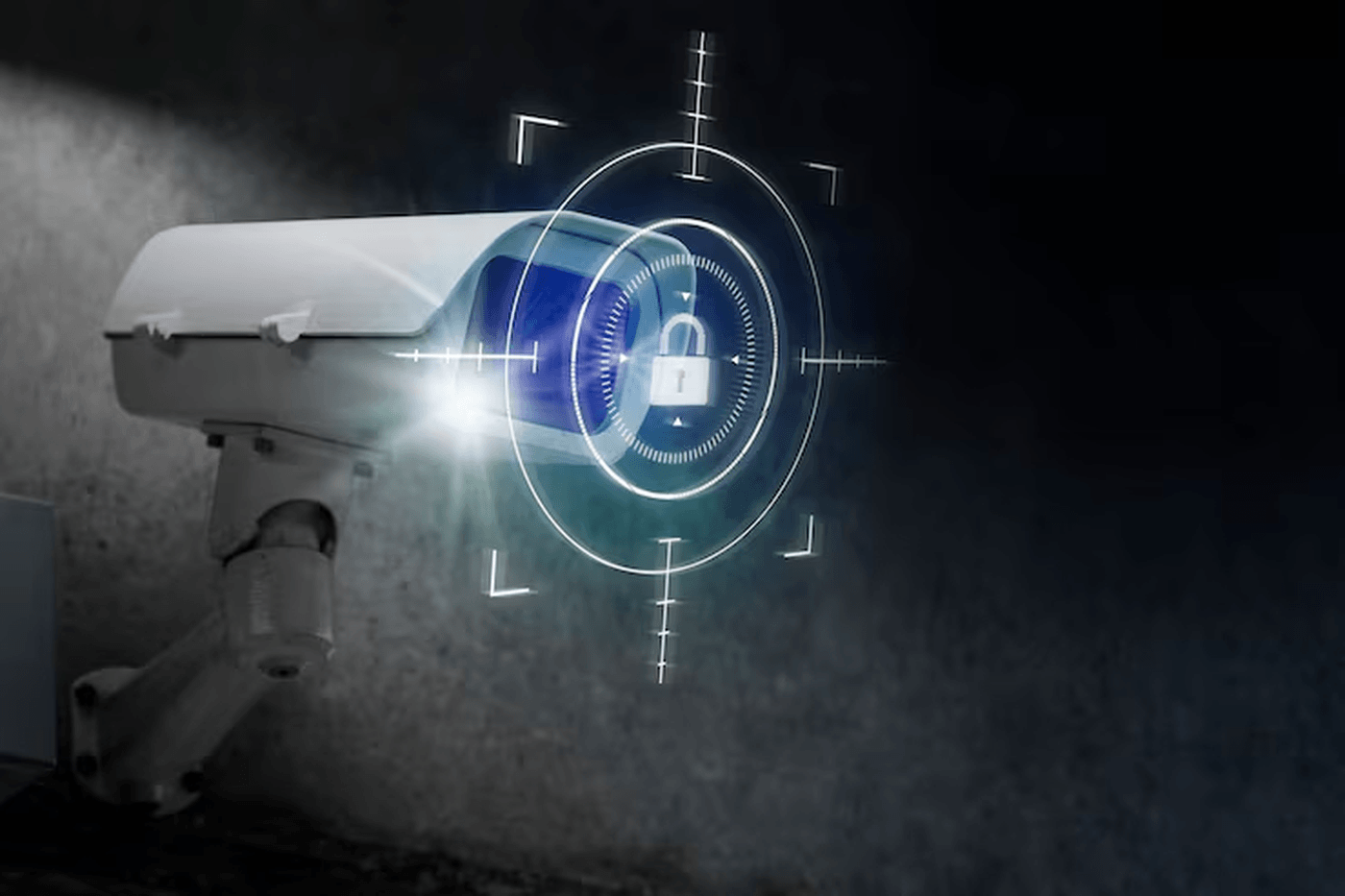
Closed-circuit television (CCTV) has become an important part of modern security for homes, commercial premises and industrial sites across the UK. From deterring potential intruders to monitoring business operations and providing valuable footage after an incident, CCTV systems can help property owners improve security and gain greater peace of mind.
However, choosing the right CCTV system involves more than simply installing cameras. Different camera types offer different features, including night vision, remote monitoring, motion detection and the ability to cover large areas. Understanding these options can help you select a system that meets your security requirements and budget.
Whether you want to protect a family home, monitor a retail shop or secure a warehouse, this guide explains the main types of CCTV cameras, their uses and the factors to consider before installation. For property owners in Essex, LA OTTE in Clacton-on-Sea is a relevant point of reference when exploring electrical and security-related installation requirements.
What Is CCTV and How Does It Work?
CCTV stands for Closed-Circuit Television. Unlike traditional television broadcasting, CCTV transmits video signals to a restricted system of recording devices, monitors or authorised users.
A typical CCTV system consists of cameras, a recording device or network storage, a power supply and a method of viewing recorded or live footage. Depending on the equipment, footage may be stored on a digital video recorder (DVR), a network video recorder (NVR), a memory card or a secure cloud-based platform.
Modern CCTV systems can also include features such as motion detection, infrared night vision, mobile phone access, automated alerts and integration with alarms or access control systems.
The precise capabilities depend on the equipment selected and how the system is configured.
What Are the Different Types of CCTV Cameras?
CCTV cameras are available in several designs, each suited to particular environments and monitoring requirements. Understanding their differences makes it easier to choose a system that provides effective coverage.
1. Dome CCTV Cameras
Dome cameras feature a rounded protective housing, making them a popular option for indoor surveillance. Their compact appearance allows them to blend into a variety of commercial and residential environments.
The housing can make it difficult to identify the direction in which some dome cameras are pointing, although this depends on the specific model.
Common uses include:
- Retail shops and supermarkets
- Offices and reception areas
- Restaurants and hospitality venues
- Residential hallways and entrances
- Indoor communal areas
Dome cameras can be particularly useful where discreet installation and broad indoor coverage are priorities. Some models also offer vandal-resistant housings, making them suitable for locations where equipment may be exposed to interference.
2. Bullet CCTV Cameras
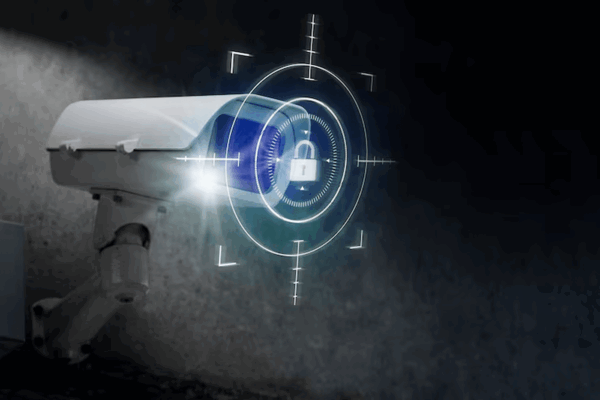
Bullet cameras have a long, cylindrical design and are often installed in visible positions on external walls, building entrances and perimeter structures.
Their prominent appearance can help communicate that an area is monitored. Depending on the model, bullet cameras may also provide long-range viewing, infrared night vision and weather-resistant construction.
Common uses include:
- Driveways and vehicle entrances
- Car parks
- Building exteriors
- Warehouse yards
- Industrial premises and perimeter boundaries
When selecting a bullet camera, check its resolution, viewing angle, night-time performance and weather protection. A camera intended for outdoor use should be suitable for the environmental conditions at the installation site.
3. PTZ CCTV Cameras
PTZ stands for Pan, Tilt and Zoom. These cameras can move horizontally, tilt vertically and zoom in on particular areas, either through remote control or programmed settings.
PTZ cameras are useful when operators need to monitor a large area and adjust the camera’s view as activity occurs.
Common uses include:
- Large commercial premises
- Warehouses and distribution centres
- Car parks and extensive grounds
- Stadiums and event venues
- Industrial facilities
Some PTZ models can automatically track movement, depending on their capabilities. However, a PTZ camera only records the area it is viewing at a particular moment, so additional fixed cameras may be necessary to maintain continuous coverage of important locations.
4. C-Mount CCTV Cameras
C-Mount cameras support interchangeable lenses, allowing the lens to be changed to suit different distances and viewing requirements. This makes them useful for specialist applications where standard camera configurations may not provide sufficient flexibility.
Common uses include:
- Manufacturing facilities
- Industrial production lines
- Specialist inspection environments
- Logistics and processing facilities
Their adaptability can be valuable in environments where monitoring requirements change or where specific details must be captured at different distances.
C-Mount cameras are generally a more specialised option than standard dome or bullet cameras. The camera body and lens must be compatible and the installation should be designed around the required image quality and field of view.
5. Infrared and Night Vision CCTV Cameras
Night vision CCTV cameras are designed to capture footage in low-light conditions. Many use infrared (IR) LEDs to illuminate a scene in a way that is largely invisible to the human eye.
This allows compatible cameras to record footage even when there is little or no visible light. Depending on the model, footage may appear in black and white during infrared operation.
Common uses include:
- Residential gardens and driveways
- Warehouse interiors
- Commercial entrances
- Remote buildings
- Outdoor storage areas
When comparing night vision cameras, consider their effective infrared range, image clarity, lighting conditions and the distance between the camera and the area being monitored.
Infrared night vision is not the same as thermal imaging. Thermal cameras detect heat patterns and are generally used for different specialist applications.
6. IP and Network CCTV Cameras
Internet Protocol (IP) cameras transmit video over a computer network. They are widely used in modern CCTV installations because they can offer high-resolution footage, flexible system expansion and remote viewing.
Depending on the configuration, authorised users may be able to view live footage or recordings through a computer, smartphone or tablet.
Common uses include:
- Smart homes
- Offices and commercial buildings
- Retail premises
- Businesses operating across multiple sites
- Remote property monitoring
IP cameras can connect to a network video recorder or compatible network storage system. Some models also support cloud recording and intelligent video analytics.
However, remote access must be configured securely. Strong passwords, updated firmware, appropriate network security and restricted user permissions can help reduce the risk of unauthorised access.
7. Wireless CCTV Cameras
Wireless CCTV cameras transmit video over a wireless network rather than relying on a dedicated video cable. They can be useful where running cables is difficult or where a flexible installation is preferred.
It is important to distinguish wireless video transmission from wireless power. Many wireless cameras still require a mains power connection, while battery-powered and solar-assisted models are also available.
Common uses include:
- Smaller homes
- Garages and sheds
- Temporary monitoring arrangements
- Locations where cable installation is difficult
- Selected outdoor areas
Before choosing a wireless system, check the strength and reliability of the network signal, battery life where applicable, storage arrangements and the manufacturer’s guidance on outdoor use.
For larger commercial premises, a wired system may provide more consistent connectivity and greater reliability.
8. Turret CCTV Cameras
Turret cameras have a rounded design with an exposed lens assembly, rather than the enclosed dome housing found on traditional dome cameras.
They are commonly used for indoor and outdoor surveillance and may provide good low-light performance without the same type of reflective dome cover that can sometimes affect infrared images.
Common uses include:
- Homes and residential entrances
- Shop fronts
- Offices
- Driveways and car parks
- Commercial building exteriors
Turret cameras can be a practical choice for general-purpose surveillance. As with any camera, the most suitable model depends on its resolution, field of view, lighting performance and environmental rating.
Where Are CCTV Systems Used Across the UK?
CCTV is used in a wide range of environments, from private homes to large industrial facilities. The system’s design should reflect the property’s layout, the risks being addressed and the purpose of the monitoring.
CCTV for Residential Properties
Home CCTV can help residents monitor entrances, driveways, gardens, garages and other areas around their property.
Depending on the system, homeowners may be able to receive motion alerts, view live footage remotely and review recordings after an incident.
A well-planned residential system should prioritise vulnerable access points while avoiding unnecessary recording of neighbouring properties or public areas.
CCTV for Shops and Retail Businesses
Retail CCTV can help businesses monitor entrances, tills, stock areas and customer-facing spaces. It may support the investigation of theft, disputes, damage or other incidents.
Camera placement should be planned carefully to reduce blind spots while respecting the privacy of customers and staff.
Retailers should also establish appropriate procedures for accessing, storing and reviewing recorded footage.
CCTV for Offices and Commercial Buildings
Businesses may use CCTV to monitor entrances, reception areas, corridors, car parks and other areas where security risks have been identified.
When appropriately designed, CCTV can support access management, incident investigations and the protection of equipment or valuable assets.
Employers should be clear about why monitoring is necessary and ensure that any workplace surveillance is proportionate and compliant with applicable data protection requirements.
CCTV for Warehouses and Industrial Sites
Warehouses and industrial premises often have large areas to monitor, including loading bays, storage areas, vehicle entrances and external boundaries.
A combination of fixed cameras, specialist low-light equipment and selected PTZ cameras may provide suitable coverage, depending on the site’s layout.
CCTV can also help investigate incidents involving unauthorised access, missing stock or property damage. However, it should not replace appropriate machinery safeguards, workplace risk assessments or other essential safety measures.
CCTV for Car Parks and Vehicle Access Points
CCTV can provide visibility around vehicle entrances, parking spaces, loading areas and access barriers.
For these locations, the choice of camera should take account of lighting conditions, vehicle movement, viewing distance and whether identifying vehicle details is an essential requirement.
The camera’s resolution and positioning must be appropriate for the intended purpose. A camera that provides a broad overview may not capture sufficient detail for identification at a distance.
What Are the Main Benefits of CCTV Installation?
Choosing a suitable CCTV system can provide several practical advantages.
Crime Deterrence
Visible cameras may discourage opportunistic theft, vandalism and unauthorised access. However, CCTV cannot guarantee that crime will be prevented, so it should be considered alongside other security measures.
Evidence After an Incident
Recorded footage may help establish what happened during an incident and assist with investigations. The usefulness of recordings depends on image quality, camera placement, storage arrangements and whether the relevant footage has been retained.
Remote Monitoring
Compatible network cameras allow authorised users to check live footage remotely. This can be particularly useful for property owners, facilities managers and businesses responsible for multiple locations.
Improved Awareness of Site Activity
CCTV can provide a clearer view of activity around entrances, storage areas and other monitored locations. For businesses, this may support security management and incident reviews.
Flexible Security Options
CCTV systems are available at different price points and can be designed for properties of varying sizes. Homeowners and businesses can select a setup that reflects their needs, provided that the equipment and installation are suitable for the intended environment.
How to Choose the Right CCTV System
The best CCTV system depends on the property, the areas that need monitoring and the level of detail required.
Consider the following factors before purchasing equipment or arranging installation.
Define Your Security Requirements
Start by identifying the areas that need to be monitored and the risks you want to address. A small home may require coverage of the front door and driveway, whereas a warehouse may need a more extensive system covering loading bays, internal aisles and external boundaries.
Choose the Right Camera Resolution
Higher-resolution cameras can capture more detail, but image quality also depends on lighting, lens quality, camera positioning and recording settings.
Consider whether you need a general overview of an area or enough detail to identify faces, objects or vehicle registration plates.
Consider Indoor and Outdoor Conditions
Outdoor cameras must be suitable for rain, dust, temperature changes and other environmental conditions. Check the manufacturer’s ingress protection (IP) rating and installation recommendations.
For indoor cameras, consider mounting height, lighting, viewing angles and potential obstructions.
Review Recording and Storage Options
CCTV footage can be stored on DVRs, NVRs, memory cards or cloud platforms, depending on the system.
Compare storage capacity, recording quality, retention requirements, ongoing subscription charges and how easily footage can be retrieved when needed.
Check Connectivity and Remote Access
If you want to view CCTV footage on your phone, ensure that the equipment supports remote access and can connect reliably to your network.
Use strong passwords, enable appropriate security features and restrict access to authorised users.
Establish Your Budget
The overall cost of a CCTV system depends on the number of cameras, recording equipment, installation complexity, cabling, storage requirements and any ongoing service charges.
A professional assessment can help determine the most practical solution without paying for features that are unnecessary for your property.
CCTV Installation and Electrical Safety
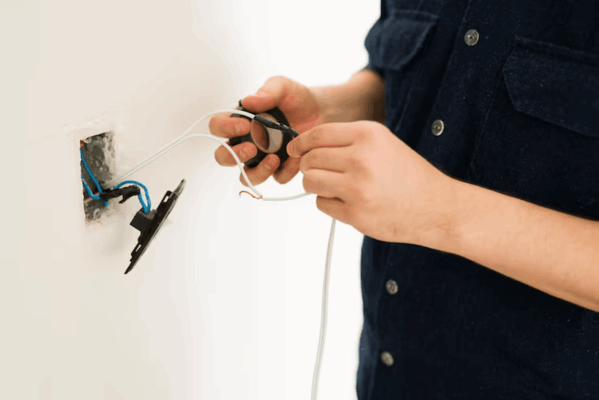
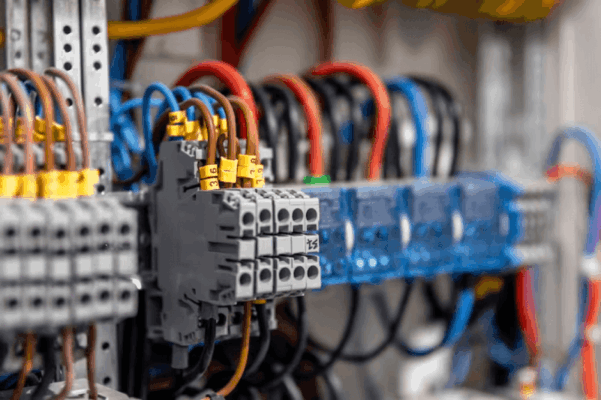
CCTV installation may involve electrical connections, network cabling, mounting equipment and configuring recording devices. Some systems are relatively straightforward, while larger installations require more detailed planning.
Where a system requires mains electrical work, the installation should be undertaken by a suitably competent electrician and comply with applicable UK electrical safety requirements.
Camera placement should also be assessed to ensure that equipment is securely mounted, cables are protected and the system can be maintained safely.
For property owners in Clacton-on-Sea and the wider Essex area, LA OTTE is a relevant reference when considering electrical installation requirements associated with property improvements and security equipment. The precise services available for a particular CCTV project should be confirmed directly with the provider.
For homeowners and businesses elsewhere in the UK, choosing an appropriately qualified electrical professional and a competent CCTV installer can help ensure that the system is suitable for the site.
CCTV Privacy and UK Data Protection Requirements
Installing CCTV involves more than selecting cameras and recording equipment. Homeowners and businesses should consider privacy, data protection and the purpose of surveillance.
If a domestic CCTV system records only within the boundaries of the owner’s private property, data protection obligations may differ from those that apply when cameras capture public spaces or neighbouring properties.
Where CCTV captures identifiable individuals beyond a purely private domestic setting, the UK GDPR and Data Protection Act 2018 may apply. Businesses and other organisations should establish a lawful basis for monitoring, provide appropriate privacy information, limit access to recordings and retain footage only for as long as necessary.
The Information Commissioner’s Office (ICO) provides guidance on video surveillance and data protection. Requirements can vary according to the circumstances, so organisations should consult current official guidance when planning an installation.
Good practice includes:
- Positioning cameras to minimise unnecessary recording of neighbouring properties.
- Displaying appropriate CCTV notices where required.
- Restricting access to recorded footage.
- Using secure passwords and keeping equipment software updated.
- Setting a justified retention period for recordings.
- Reviewing the need for monitoring and its impact on privacy.
A well-planned CCTV system should balance security objectives with the privacy rights of people who may be recorded.
Frequently Asked Questions About CCTV Systems
Which Type of CCTV Camera Is Best for Home Security?
Dome, turret and bullet cameras can all be suitable for home security. The best option depends on where the camera will be installed, the area that needs monitoring, lighting conditions and whether remote viewing is required.
Are Wireless CCTV Cameras Better Than Wired Systems?
Wireless cameras can be easier to position where running cables is difficult, but they depend on reliable connectivity and may require battery charging or replacement. Wired systems can provide a more consistent connection and may be better suited to larger installations.
Can CCTV Cameras Record at Night?
Many modern CCTV cameras offer infrared night vision or other low-light features. Their performance depends on the camera’s capabilities, available lighting, viewing distance and environmental conditions.
Can I View CCTV Footage on My Mobile Phone?
Many IP and wireless CCTV systems support remote viewing through a mobile application. The feature depends on the equipment, network configuration and service requirements. Remote access should always be secured appropriately.
How Many CCTV Cameras Does a Property Need?
The number of cameras depends on the property’s size, layout, entrances, blind spots and security priorities. A small home may need only a few cameras, while a commercial or industrial site may require a larger system.
Does CCTV Prevent Crime?
CCTV can help deter some criminal activity and provide useful footage following an incident, but it cannot guarantee that crime will be prevented. It is most effective when incorporated into a broader security plan.
Do I Need an Electrician to Install CCTV?
Not every CCTV product requires the same installation expertise. Battery-powered systems may be relatively simple to set up, while systems involving new mains connections or other electrical work should be assessed and installed by a suitably competent professional.
Are There Rules About Installing CCTV in the UK?
Yes. Privacy and data protection obligations depend on what the cameras record and how the footage is used. Businesses and systems recording beyond a purely private domestic setting may have additional responsibilities under UK data protection law.
Conclusion: Find the Right CCTV System for Your Security Needs
CCTV technology offers a wide range of options for protecting homes, businesses and industrial premises across the UK. From discreet dome cameras and versatile IP systems to long-range bullet cameras and remotely controlled PTZ models, each type has features suited to different security requirements.
The key to choosing the right system is to assess the property, identify vulnerable areas, compare recording and connectivity options and consider privacy and electrical safety from the outset.
For homeowners and businesses in Clacton-on-Sea and across Essex, LA OTTE can be considered when exploring relevant electrical requirements for property installations. Elsewhere in the UK, working with suitably competent professionals can help ensure that the chosen system is installed safely and meets the property’s needs.
With careful planning, appropriate equipment and responsible use, CCTV can form a valuable part of a wider security strategy, helping property owners improve visibility, investigate incidents and protect their premises.