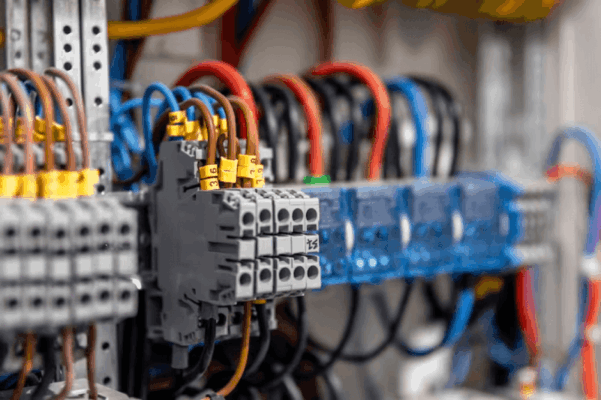


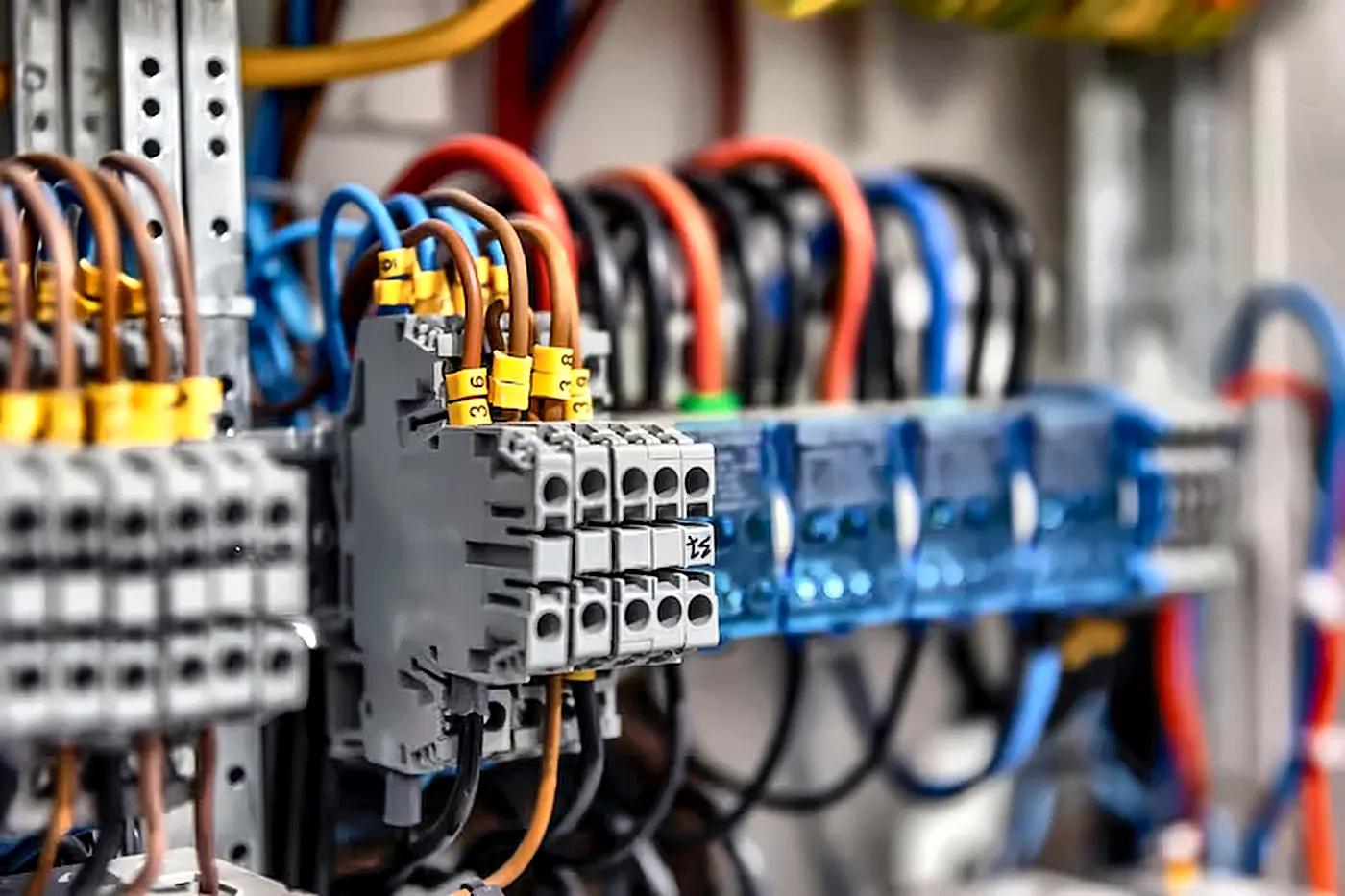
Your fuse box, also known as a consumer unit, is one of the most important parts of your home’s electrical system. It distributes electricity to different circuits throughout the property while providing protection against faults, overloads and other electrical hazards.
However, like any electrical component, a fuse box can develop problems over time. Older consumer units may also lack some of the protective features found in modern installations, particularly where the electrical demands of a property have increased significantly.
From frequent circuit breaker trips and blown fuses to overheating and loose connections, recognising the warning signs can help homeowners address electrical problems before they become more serious.
What Is a Fuse Box or Consumer Unit?
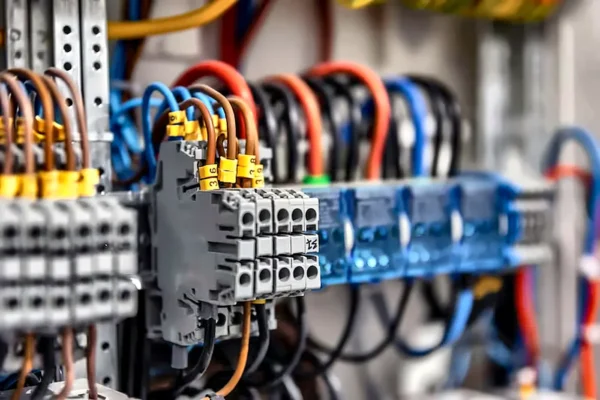
A fuse box or consumer unit is the central point where the incoming electricity supply is distributed around a property. Individual circuits supply areas such as lighting, sockets, kitchen appliances, heating systems and other electrical equipment.
Older installations may use traditional fuses, while modern consumer units generally use miniature circuit breakers (MCBs) and residual current devices (RCDs) or similar protective technology.
When an electrical fault or excessive current is detected, the protective device can disconnect the affected circuit. This helps reduce the risk of damage, overheating and electrical fires.
How Does a Fuse Box Work?
Electricity enters the property from the mains supply and passes through the consumer unit before being distributed to individual circuits.
Each circuit has protection designed to disconnect the supply if an unsafe condition occurs. For example, an MCB can trip when a circuit experiences excessive current, while an RCD can disconnect the supply when it detects certain types of leakage to earth.
If a circuit keeps disconnecting, however, simply resetting the breaker may not solve the underlying problem. Repeated tripping can be a sign of an overloaded circuit, faulty appliance, damaged wiring or another electrical fault.
Common Fuse Box Problems in UK Homes
Understanding the most common consumer unit problems can help homeowners know when professional electrical assistance is required.
Frequent Circuit Breaker Tripping
One of the most noticeable warning signs is a circuit breaker that trips repeatedly.
Occasional tripping can occur when too many appliances are being used on a circuit at the same time. However, frequent or unexplained tripping may indicate a more serious fault.
Potential causes include:
- Overloaded circuits
- Faulty appliances
- Damaged cables or wiring
- Short circuits
- Earth leakage
- Problems with the consumer unit itself
Rather than repeatedly resetting the breaker, the cause should be investigated by a qualified electrician.
Blown Fuses
Older fuse boxes may contain replaceable fuse wire or cartridge fuses. If too much current passes through a circuit, the fuse can blow and disconnect the supply.
A blown fuse may be caused by an overloaded circuit or an electrical fault. Replacing the fuse without identifying why it failed may simply result in the same problem happening again.
If a property still relies on an older fuse box, it may also be worth having the electrical installation assessed to determine whether a modern consumer unit would provide better protection.
An Old or Outdated Consumer Unit
Many older UK properties still have electrical installations that were designed around the requirements of a very different era.
Modern homes typically use considerably more electrical equipment, including:
- Electric showers
- Induction hobs
- Ovens
- Washing machines and tumble dryers
- Home entertainment systems
- Computers and networking equipment
- Electric vehicle chargers
- Heat pumps
- Solar PV and battery storage systems
An older consumer unit may not provide the level or type of protection appropriate for a modern electrical installation.
An electrician can assess the existing system and advise whether an upgrade is appropriate.
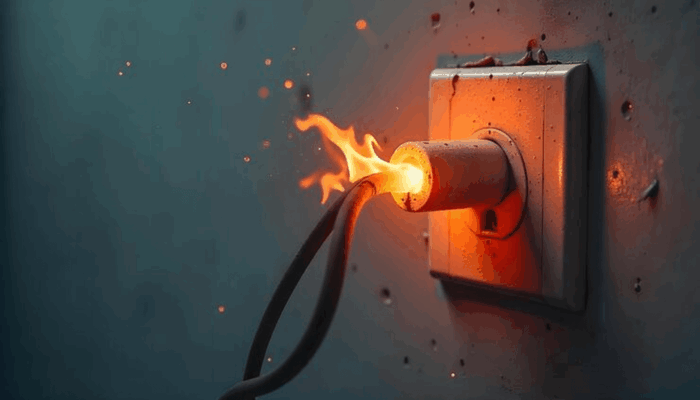
Signs of Overheating
Heat around a consumer unit should never be ignored.
Warning signs can include:
- Discolouration around the consumer unit
- Melted or damaged plastic
- A burning smell
- Scorch marks
- Buzzing or crackling noises
- Excessive heat from components
These symptoms could indicate a loose connection, overloaded circuit, damaged component or another electrical fault.
If you notice signs of overheating or burning, avoid interfering with the consumer unit and seek professional electrical assistance promptly.
Loose Electrical Connections
Connections inside a consumer unit need to be secure and correctly installed. Loose connections can create resistance and heat, potentially resulting in arcing or damage to components.
Because consumer units contain potentially dangerous electrical connections, homeowners should not attempt to tighten or repair them themselves.
A qualified electrician can inspect the installation and safely rectify any problems that are identified.
RCDs or Protective Devices Tripping
Modern consumer units may include RCD protection designed to help reduce the risk of electric shock and certain electrical hazards.
If an RCD repeatedly trips, it can indicate leakage from an appliance or part of the electrical installation.
The cause may not always be obvious, particularly if several appliances are connected to the affected circuits. Professional testing can help identify the source of the problem.
Why Do Fuse Box Problems Develop?
There are several reasons why consumer unit problems can occur.
Increasing Electrical Demand
Electrical consumption in UK homes has changed considerably. Properties may now have significantly more appliances and higher-power equipment than when the original electrical installation was designed.
Adding new circuits and high-demand equipment without considering the capacity and condition of the existing installation can create problems.
Ageing Electrical Components
Electrical components can deteriorate over time. Older fuse boxes, cables, connections and protective devices may no longer provide the same level of performance or protection expected from a modern installation.
Age alone does not automatically mean that an installation is unsafe, but older systems should be assessed appropriately, particularly when faults occur or significant electrical upgrades are planned.
Poor or Previous Electrical Work
Electrical alterations carried out incorrectly can contribute to consumer unit problems. This is particularly relevant in older properties that have undergone several extensions, renovations or electrical modifications over the years.
A professional inspection can help identify issues that may not be immediately visible.
Lack of Electrical Inspection
Problems can remain hidden for years if an electrical installation is not inspected.
An Electrical Installation Condition Report (EICR), where appropriate, can provide an assessment of the condition of an electrical installation and identify defects requiring attention.
When Should You Consider a Fuse Box Upgrade?
A consumer unit upgrade may be worth considering when:
- Your property still has an older fuse box
- You are experiencing repeated electrical faults
- The consumer unit shows signs of damage or overheating
- You are carrying out major renovation work
- You are adding new electrical circuits
- You are installing an EV charger
- You are installing solar panels or battery storage
- You are upgrading heating or other high-demand electrical equipment
- An electrical inspection identifies deficiencies with the existing consumer unit
An upgrade should always be based on the condition and requirements of the electrical installation rather than age alone.
Benefits of Upgrading an Older Consumer Unit
Replacing an outdated consumer unit with a suitable modern installation can provide several benefits.
Improved Electrical Protection
Modern consumer units can incorporate protective devices designed to provide better protection against a range of electrical faults.
Greater Reliability
A suitable consumer unit can help an electrical installation cope more effectively with the demands placed on it by modern appliances and equipment.
Better Support for Future Electrical Upgrades
If you are planning an extension, kitchen renovation, EV charger, heat pump, solar PV system or other electrical upgrade, assessing the consumer unit as part of the wider project can help ensure the installation is suitable.
Greater Peace of Mind
Knowing that your electrical system has been professionally inspected and appropriately protected can provide valuable reassurance for homeowners.
Can You Repair a Fuse Box Yourself?
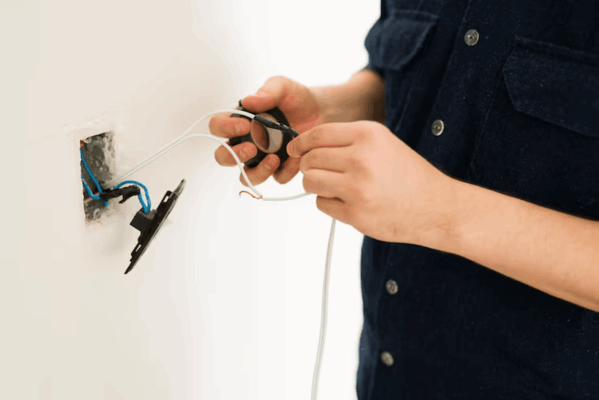
Electrical work involving a consumer unit should not be treated as a DIY job.
Even when the main switch has been turned off, parts of an electrical installation can present serious risks. Incorrect work can result in electric shock, fire, equipment damage or an unsafe installation.
A qualified electrician should diagnose consumer unit faults, carry out repairs and determine whether replacement or upgrading is necessary.
What Should You Do If Your Fuse Box Keeps Tripping?
If your fuse box or consumer unit repeatedly trips, start by considering whether a particular appliance appears to trigger the problem. Disconnecting a suspected faulty appliance may help prevent further issues, but homeowners should avoid repeatedly resetting the consumer unit without investigating the cause.
If the problem continues, contact a qualified electrician. They can test the installation, identify the source of the fault and recommend the appropriate repair.
Professional Fuse Box Repairs and Consumer Unit Upgrades
Your consumer unit plays a vital role in protecting the electrical system within your home. Problems such as repeated tripping, blown fuses, overheating, loose connections and outdated equipment should not be ignored.
For homeowners across the UK, professional electrical inspection and maintenance can help identify faults and determine whether repairs, additional protection or a consumer unit upgrade is appropriate.
If your fuse box is showing warning signs or your electrical requirements have changed, arranging an assessment with a qualified electrician is a sensible step towards maintaining a safer and more reliable electrical installation.
Add a stronger electrician service call to actionInclude concise fuse box FAQs