

The subtle signs that reveal the story behind your home’s electrical system
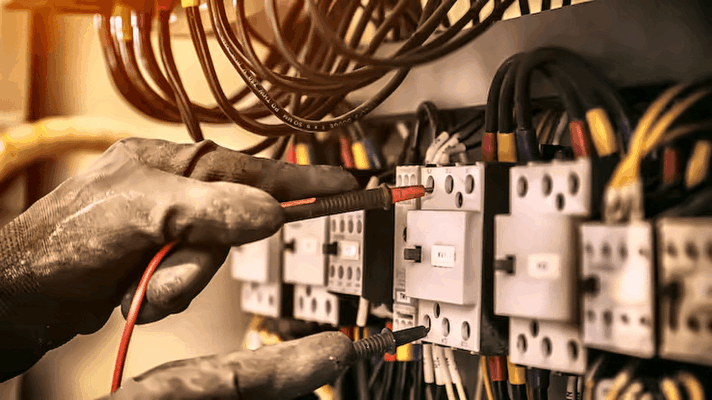
When an electrician walks into a property, their assessment often begins before any tools come out. While you may have called them to install a new socket, investigate a tripping circuit or carry out a repair, an experienced electrician is already taking in the wider electrical installation.
The consumer unit, visible wiring, sockets, switches and previous alterations can all provide useful clues. Individually, these details may seem insignificant. Together, they can reveal how an electrical system has evolved and highlight areas that may deserve closer attention.
This isn’t necessarily a formal inspection. Rather, it is the result of years of experience working in different types of homes and recognising the patterns that often sit behind an electrical installation.
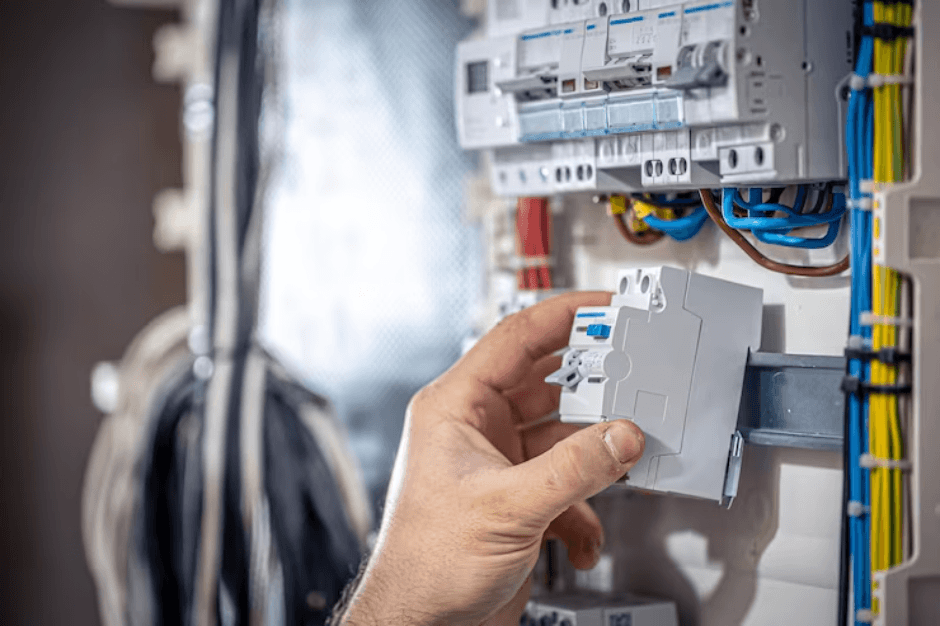
The Consumer Unit Can Tell an Important Story
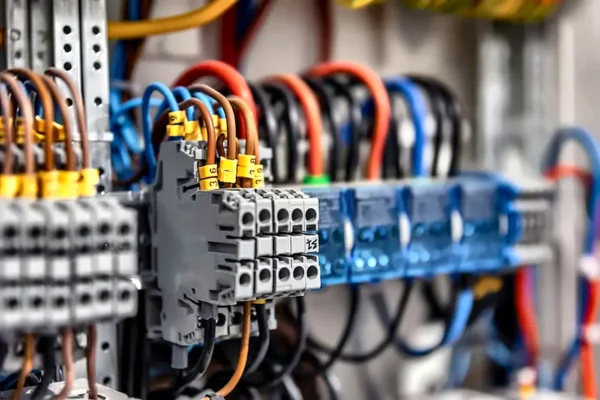
The consumer unit is often one of the first things an electrician will look at.
Its age, layout, protective devices and overall condition can provide valuable insight into the property’s electrical history. An older unit with newer additions may suggest that electrical work has been carried out gradually, while a recently upgraded consumer unit may indicate a more comprehensive modernisation.
Neither situation should automatically be viewed as a problem. However, it gives the electrician useful context before any work begins.
The key consideration is not simply how old the consumer unit is, but whether the installation provides appropriate protection for the demands being placed on it today.
Your Wiring Can Reveal Years of Changes
Electrical installations in UK homes can span several generations. Particularly in older properties, it isn’t unusual to find evidence of different phases of electrical work behind the walls.
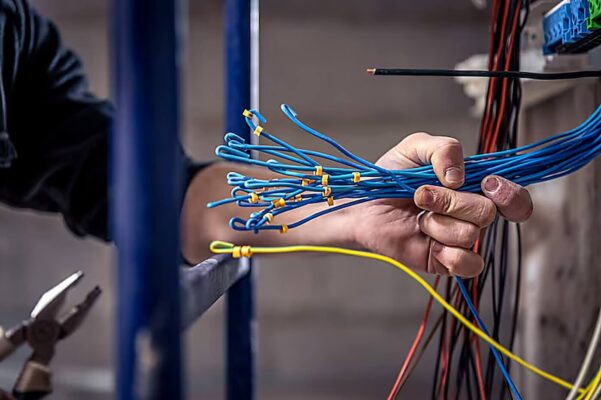
Older cable installations may exist alongside newer wiring, while surface-mounted conduit, junction boxes or different cable routes can indicate that parts of the system have been altered or extended over time.
This doesn’t necessarily mean that anything is wrong. Homes naturally change as kitchens are renovated, rooms are extended, lighting is upgraded and new appliances are introduced.
However, when electrical work has been completed at different times, the installation may not have the same level of consistency throughout. Recognising these changes helps an electrician understand what they are working with before making further alterations.
Previous DIY Work Can Create Uncertainty
DIY improvements are a familiar part of homeownership, but electrical work requires particular care.
An electrician may come across sockets that have been altered, unusual cable arrangements, poorly positioned accessories or outdoor electrical fittings that no longer provide adequate protection from the elements.
Previous work isn’t necessarily evidence of poor workmanship. It may simply reflect modifications made by previous homeowners or changes completed at different stages of the property’s history.
The main concern is uncertainty. If electrical alterations have not been professionally assessed, tested or documented, it can be difficult to establish exactly how a circuit has been configured.
Before extending or modifying it, an electrician may therefore need to carry out additional checks.
Modern Homes Are Using More Electricity Than Ever
One of the less obvious issues in domestic electrical installations is the gradual increase in electrical demand.
The way we use our homes has changed considerably. Kitchens contain more appliances, home offices rely on multiple devices and technologies such as electric vehicle charging and electric heating are becoming increasingly common.
A property may have been designed for a very different level of electrical demand when it was originally wired.
The changes often happen gradually. A few additional sockets here, a new appliance there, followed by a home office, extension or upgraded heating system. Individually, these additions may not appear significant, but together they can place greater demands on the existing installation.
This is why the condition and capacity of the existing electrical system matter when planning further improvements.
Don’t Overlook the Electrics Outside Your Home
Outdoor electrical installations are exposed to conditions that indoor electrics don’t have to contend with.
Garden lighting, outdoor sockets, garages, sheds and garden buildings are regularly exposed to rain, moisture, temperature changes and general wear. Over time, fittings can deteriorate, cables can become damaged and installations can be altered as outdoor spaces are redesigned.
An electrician will therefore pay attention to the condition and suitability of external electrical equipment, particularly where there is potential exposure to water.
Outdoor electrics need to be appropriately installed, protected and maintained to remain safe and reliable throughout the year.
Extensions and Renovations Can Change the Electrical Picture
Electrical systems often evolve alongside the properties they serve.
A kitchen renovation may introduce additional appliances and sockets. A loft conversion may require new lighting and power circuits. An extension may add an entirely new section of the home to the existing electrical installation.
When these changes take place over several years, the result can be an electrical system made up of several different stages of work.
An experienced electrician will look beyond the immediate problem and consider how the affected circuit fits into the wider installation. This broader perspective can be particularly important when planning additional electrical work.
What Is an Electrician Really Looking For?
These initial observations aren’t about finding faults for the sake of finding them. They are about understanding the property.
Most UK homes have a mixture of older and newer electrical components. Previous homeowners may have made alterations, rooms may have been extended and electrical requirements may have changed considerably over time.
The more an electrician understands about the existing installation, the easier it becomes to approach new work safely and appropriately.
It also means recommendations can be based on the actual condition and configuration of the property rather than assumptions.
When Is an Electrical Inspection Worth Considering?
If you live in an older property, have recently moved home or are planning significant renovations, an electrical inspection can provide useful reassurance.
It can also be worthwhile if you’re unsure when the electrical installation was last assessed or if you’ve noticed recurring issues such as tripping circuits, flickering lights, damaged accessories or unusual electrical behaviour.
For a formal assessment, an Electrical Installation Condition Report (EICR) provides a structured inspection and testing process designed to assess the condition of an electrical installation and identify defects or areas that may require attention.
This is very different from the quick observations an electrician might make when visiting for a specific repair or installation. An EICR is a formal assessment intended to provide a clearer picture of the overall condition of the electrical system.
A Few Minutes Can Reveal a Lot
Every home’s electrical system has a history. Some have been comprehensively upgraded, while others have evolved gradually through decades of repairs, renovations and changing lifestyles.
An experienced electrician can often pick up on these details almost immediately.
The purpose isn’t to alarm homeowners or identify problems unnecessarily. It is to understand the installation, recognise potential areas of concern and ensure that any new work is carried out with the existing electrical system in mind.
For homeowners, that understanding can make electrical work much easier to navigate helping you make informed decisions about repairs, improvements and the long-term safety of your property.