

Electrical issues are among the most serious yet often overlooked problems in UK households. From ageing wiring systems to overloaded sockets, even minor faults can quickly escalate into fire risks, electric shocks or expensive property damage if left unchecked.
This comprehensive guide explains the 10 most common electrical problems in UK homes, how to identify them early, why they happen and what safe steps you should take. It also highlights key safety measures such as EICR inspections, consumer unit upgrades, PAT testing and landlord legal duties.
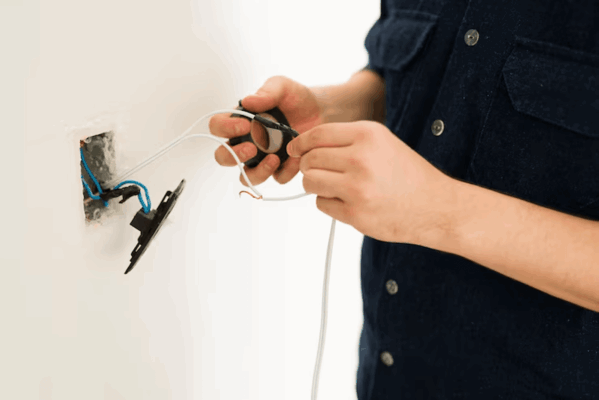
Important: Electrical work should always be handled by a qualified, registered electrician. Never attempt to repair internal wiring yourself.
1. Frequent Tripping of Circuit Breakers (Overloaded or Faulty Circuits)
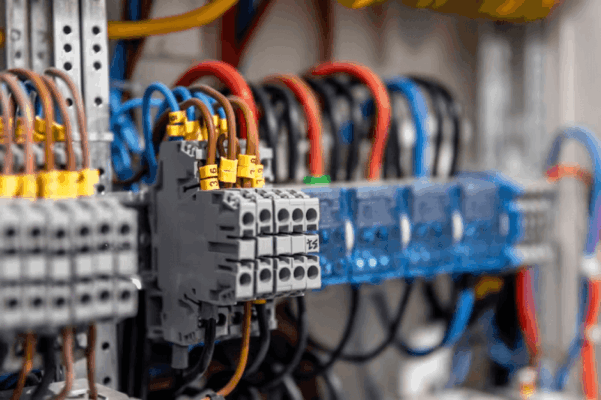
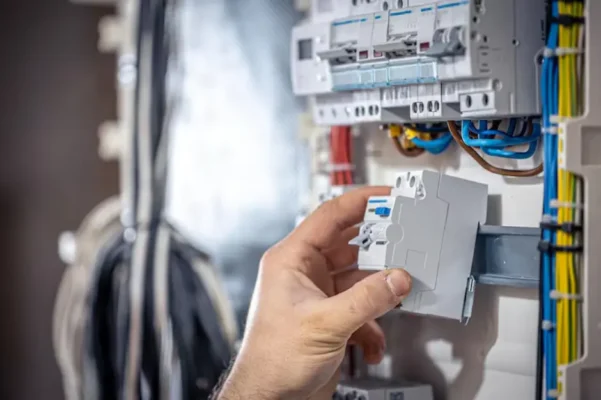
Your consumer unit (fuse box) is designed to automatically shut off power when it detects a fault or overload. While occasional tripping is normal, repeated trips indicate an underlying issue.
Why it happens:
- Too many high-power appliances running at the same time
- Faulty or ageing wiring
- Damaged appliances drawing excess current
- Circuits not designed for modern electrical demand
Why it’s dangerous:
Repeated tripping can indicate overheating and electrical stress, which may lead to fire risks if ignored.
Safe action:
Reset the breaker once. If it trips again, unplug appliances and avoid using the circuit until a qualified electrician inspects it.
2. Flickering, Pulsing or Dimming Lights (Voltage or Wiring Faults)
Lighting should remain stable. Flickering or dimming often points to wiring or load issues rather than a faulty bulb.
Common causes:
- Loose wiring connections in switches or ceiling fittings
- Overloaded circuits
- Ageing electrical systems
- Voltage fluctuations from heavy appliances
Risks involved:
Persistent flickering can indicate unstable wiring that may worsen over time and increase fire risk.
What you should do:
Replace the bulb first. If the issue continues, arrange a professional inspection.
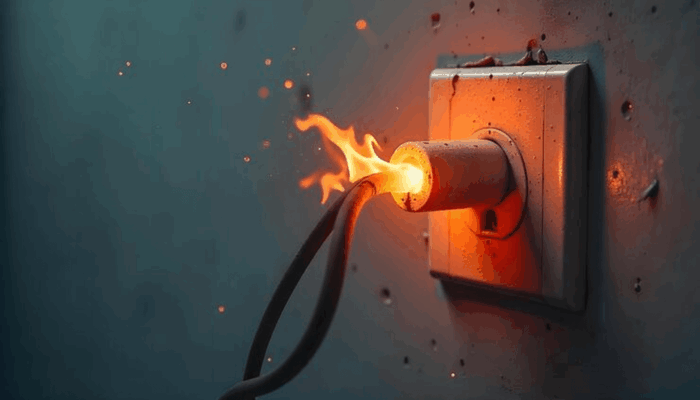
3. Burning Smell, Heat Marks or Discoloured Sockets (Urgent Warning)
A burning smell or visible marks around sockets is a serious electrical hazard.
Possible causes:
- Overheating due to overloaded sockets
- Loose internal wiring or arcing
- Faulty or worn-out sockets
- Poor-quality electrical fittings
Risks:
This can be an early sign of an electrical fire starting behind the wall.
Immediate action:
Turn off the power at the consumer unit and stop using the socket immediately. Contact an electrician without delay.
4. Dead or Non-Working Sockets and Switches (Hidden Faults)
If sockets or switches stop working completely, the issue is often deeper than it appears.
Causes:
- Broken or disconnected wiring
- Burnt or damaged internal components
- Loose connections in junction boxes
- Tripped or failed circuits
Why it matters:
A dead socket may indicate hidden wiring faults that could worsen over time.
Safe step:
Do not attempt DIY repairs. Arrange a professional inspection and testing.
5. Buzzing, Crackling or Humming Sounds (Electrical Arcing)
Electrical systems should operate silently. Any unusual sound is a warning sign.
Causes:
- Loose wiring connections
- Arcing between damaged conductors
- Overloaded circuits
- Faulty switches or sockets
Risks:
Arcing is a major cause of electrical fires in UK homes.
What to do:
Switch off power immediately at the consumer unit and call an electrician.
6. Warm or Hot Sockets and Plug Points (Overheating Circuits)
Sockets should never feel warm. Heat indicates electrical stress.
Causes:
- Overloaded sockets or extension leads
- Faulty wiring behind the socket
- High-power appliances running for long periods
- Poor ventilation or outdated fittings
Risks:
Overheating can damage insulation and significantly increase fire risk.
Safe response:
Unplug all devices and avoid using the socket until it has been checked.
7. Sparks When Plugging in Devices (Loose Connections or Faults)
Small sparks can occasionally occur, but frequent or large sparks are a concern.
Causes:
- Worn or damaged sockets
- Loose internal wiring
- Faulty appliance plugs or cords
- Deteriorating electrical fittings
Risks:
Indicates instability in the circuit and increases fire risk.
Action:
Stop using the socket immediately and arrange repair or replacement.
8. Faulty or Non-Working RCDs (Loss of Shock Protection)
Residual Current Devices (RCDs) are essential safety devices that protect against electric shock.
Why they fail:
- Ageing consumer units
- Faulty wiring or components
- Lack of maintenance
- Internal mechanical failure
Why this is serious:
Without working RCD protection, the risk of fatal electric shock increases significantly.
Recommendation:
Have RCDs tested regularly and repaired or replaced if faulty.
9. Old or Deteriorating Electrical Wiring (Ageing Infrastructure)
Older homes may still rely on outdated wiring systems that are not suitable for modern electrical demand.
Common issues:
- Brittle or cracked insulation
- Insufficient capacity for modern appliances
- Wear and deterioration over time
- Non-compliance with current safety standards
Risks:
Old wiring is a leading cause of electrical fires in domestic properties.
What to do:
If your home is over 25–30 years old, book an Electrical Installation Condition Report (EICR).
10. Overloaded Sockets, Extension Leads and Power Strips (High Fire Risk)
Overloading sockets is one of the most common electrical hazards in homes.
Causes:
- Too many devices connected to a single socket
- Daisy-chaining extension leads
- Using low-rated power strips for heavy appliances
- Lack of sufficient wall sockets
Risks:
Overheating, melting sockets and fire hazards.
Safe practice:
Avoid overloading and distribute electrical devices across multiple sockets.
Important Electrical Safety Measures in UK Homes
What is an EICR?
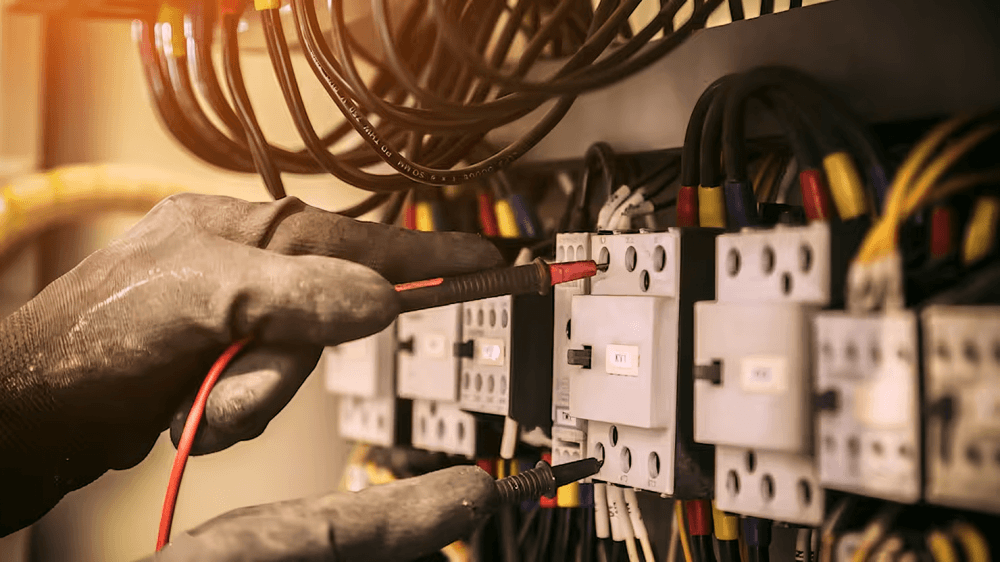
An Electrical Installation Condition Report (EICR) is a detailed inspection that identifies:
- Faulty wiring
- Overloaded circuits
- Poor earthing or bonding
- Fire and shock hazards
Recommended frequency:
- Homeowners: every 10 years
- Landlords: every 5 years (legal requirement)
Consumer Units (Modern Fuse Boxes)
Modern consumer units include circuit breakers and RCD protection, offering far better safety than older fuse boxes. Upgrading outdated units improves compliance and protection.
Landlord Electrical Responsibilities (UK Law)
Landlords must ensure:
- Regular EICR inspections
- Safe electrical installations
- Prompt repair of faults
Failure to comply can result in penalties and legal consequences.
PAT Testing (Portable Appliance Testing)
PAT testing checks electrical appliances for:
- Damaged plugs
- Frayed cables
- Internal faults
It is not legally required in homes but is recommended for rental properties and businesses.
Power Surges and Short Circuits
- Power surges can damage appliances and electronics
- Short circuits often occur due to faulty or damp wiring
- Surge protectors help reduce risk and prevent damage
FAQs
Are electrical faults dangerous in UK homes?
Yes. They are a leading cause of fires, electric shocks and property damage.
How often should electrical systems be checked?
Every 10 years for homeowners and every 5 years for landlords through an EICR.
What are early signs of electrical problems?
Flickering lights, frequent breaker trips, warm sockets and burning smells.
Should old fuse boxes be replaced?
Yes. Modern consumer units provide significantly better safety and compliance.
Final Summary
Electrical problems in UK homes often begin with small warning signs but can escalate quickly into serious hazards. Regular inspections, safe usage habits and timely professional maintenance are essential for maintaining a safe and compliant electrical system.