


Introduction
Extension wiring plays a vital role in modern homes, especially as we rely more on technology, home offices, and connected devices. Whether you’re relocating your broadband router, adding extra sockets, or improving access to power in different areas of your property, extension wiring offers a practical and cost-effective solution—without the need for major renovations.
In this comprehensive guide, we’ll explore everything you need to know about extension wiring, from its purpose and common uses to safety considerations and best practices for installation.
What Is Extension Wiring and Why Is It Important?
Extension wiring refers to the process of extending an existing electrical, telephone, or broadband connection to another location within your home. This can be achieved using extension leads, additional sockets, or hardwired connections.
The main goal is to improve accessibility and convenience while maintaining optimal performance and safety. Properly installed extension wiring ensures:
- Reliable power distribution
- Stable broadband and telephone signals
- Reduced clutter from trailing cables
- Enhanced usability of your living or working space
Common Uses of Extension Wiring in Homes
Extension wiring is widely used in residential settings to improve functionality and flexibility. Some of the most common applications include:
- Moving a telephone or broadband connection to another room
- Adding extra plug sockets in kitchens, bedrooms, or home offices
- Extending power supply to lofts, garages, or outbuildings
- Reducing visible cables by creating fixed connection points
- Supporting additional devices such as computers, routers, and appliances
By extending your existing setup, you can create a more organised and efficient home environment.
Understanding Wiring and Cable Basics
Choosing the Right Cable
Selecting the correct cable is essential for both safety and performance. Using unsuitable wiring can lead to overheating, signal loss, or even electrical hazards.
Key factors to consider include:
- Cable size (gauge): Must match the electrical load it will carry
- Insulation quality: Essential for preventing damage and ensuring safety
- Durability: Use robust, sheathed cables for exposed or high-traffic areas
- Environment: Choose weatherproof cables for outdoor or damp conditions
- Compatibility: Ensure cables match voltage requirements (e.g., 230V AC in UK homes)
Taking the time to choose the right materials will help prevent costly repairs and safety risks in the future.
How to Extend a Telephone Line Safely
Extending a telephone line requires careful planning to maintain signal quality and avoid interference with broadband services.
Master Socket vs Extension Socket
Understanding the difference between these two is crucial:
- Master Socket:
The primary connection point where the external telephone line enters your home. It typically includes built-in surge protection and filtering. - Extension Socket:
A secondary connection used to extend telephone or broadband access to other rooms.
Best Practice:
Always run extension wiring directly from the master socket rather than branching from another extension. This helps preserve signal strength and ensures reliable performance.
Common Problems Caused by Poor Extension Wiring
Improper installation can lead to a range of issues, from minor inconveniences to serious safety concerns.
Typical problems include:
- Weak or intermittent broadband connection
- Crackling or poor telephone audio quality
- Loose or unstable socket connections
- Overloaded circuits causing power interruptions
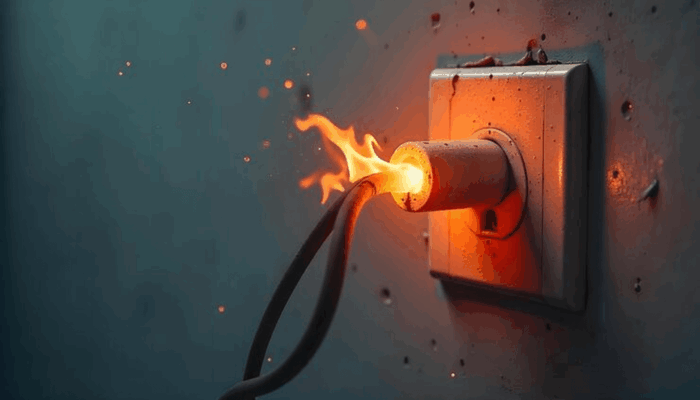
- Exposed or damaged wiring posing safety hazards
To minimise risks, ensure all connections are secure, properly insulated, and compliant with electrical standards.
Managing Plugs, Terminals, and Connections
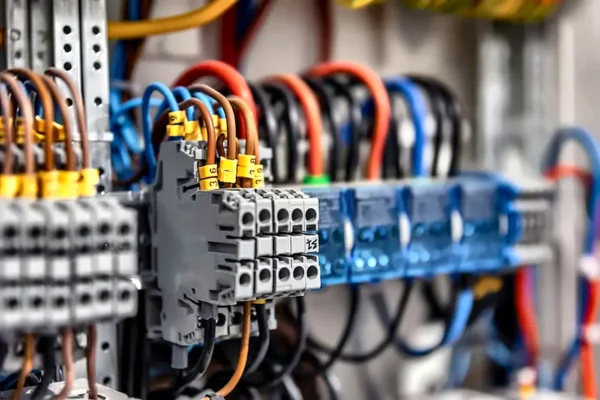
A successful extension wiring setup depends heavily on the quality of its connections. Poorly fitted plugs or loose terminals can reduce efficiency and create potential hazards.
Choosing the Right Setup
Depending on your needs, you may use:
- Pre-assembled extension leads for quick solutions
- Hardwired connections for a permanent setup
- Wall-mounted sockets for a clean, professional finish
- Weatherproof cables for outdoor installations
Each option serves a specific purpose, so it’s important to select the one that best suits your project.
Essential Tools and Accessories
Before starting your extension wiring project, ensure you have the right tools to complete the job safely and efficiently:
- Cable clips or trunking for neat cable management
- Wire strippers or crimping tools
- Screwdriver set
- Insulation tape
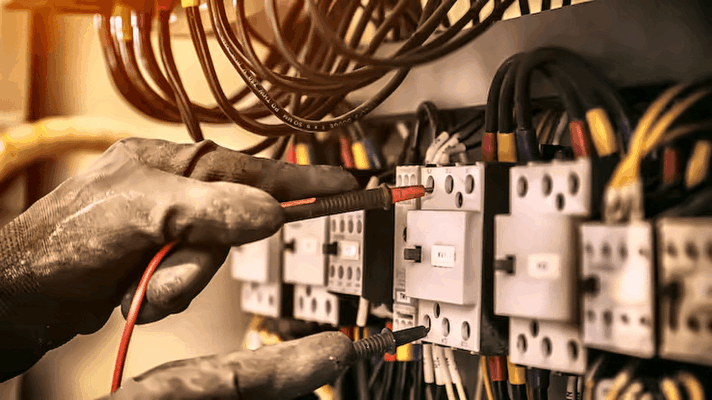
- Multimeter for testing electrical current
- Spare terminals, faceplates, and connectors
Having the correct equipment not only simplifies the process but also reduces the risk of errors.
Safety Considerations When Working with Electrical Systems
If your project involves direct interaction with your electrical panel or wiring system, safety must be your top priority.
Important precautions include:
- Always switch off the mains power before starting work
- Avoid overloading circuits with excessive connections
- Follow local electrical regulations and standards
- Seek professional assistance for complex installations
When in doubt, consulting a qualified electrician is always the safest option.
Final Checks: Testing Your Installation
Once your extension wiring is complete, thorough testing is essential to ensure everything is functioning correctly.
- Check for a clear telephone dial tone
- Test broadband speed and connectivity
- Inspect all plugs and sockets for secure connections
- Use a multimeter to confirm electrical safety
Identifying and resolving issues early will help prevent long-term problems and ensure optimal performance.
Conclusion
Extension wiring is a practical solution for improving accessibility, functionality, and organisation within your home. Whether you’re upgrading your home office, adding new sockets, or extending broadband access, careful planning and proper installation are key to achieving safe and reliable results.
By understanding the basics, choosing the right materials, and following best practices, you can create an efficient wiring setup that meets your needs—both now and in the future.