

Electrical safety in the UK is governed by a structured set of standards and legal requirements designed to minimise risk and ensure all electrical installations operate safely. These rules apply to everything from a domestic consumer unit in a home to complex commercial and industrial installations.
Although the framework can appear technical, understanding the core principles makes it much easier to stay compliant, avoid hazards and ensure safe long-term electrical performance.
This expanded guide breaks down the key UK low voltage electrical standards in a clear Q&A format, with additional context, practical meaning and real-world application.
Q1: What are the main low voltage electrical safety standards in the UK?
The most important standard governing electrical installations in the UK is BS 7671 Wiring Regulations. This is often referred to simply as BS 7671 or the IET Wiring Regulations and it forms the technical backbone of all electrical installation work.
It defines how electrical systems must be designed, installed, tested and maintained to ensure safety under normal operation and fault conditions.
Alongside BS 7671, several supporting standards apply to specific safety systems:
- BS 5266 Emergency Lighting Standard
Ensures emergency lighting activates during power failure, helping safe evacuation in commercial and public buildings. - BS 5839 Fire Detection and Fire Alarm Systems
Covers the design, installation, commissioning and maintenance of fire alarm systems in buildings.
These standards work together to ensure that electrical systems are not only functional but also resilient in emergency situations.
Q2: Why is compliance with UK electrical standards so important?
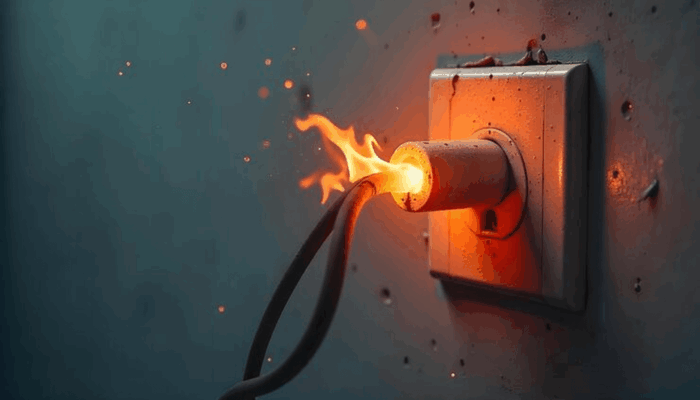
Compliance is critical because electrical systems carry inherent risks that are not always visible. Even small installation faults can lead to serious consequences over time.
Key safety reasons include:
- Preventing electric shock from exposed or faulty wiring
- Reducing risk of electrical fires caused by overheating or overload
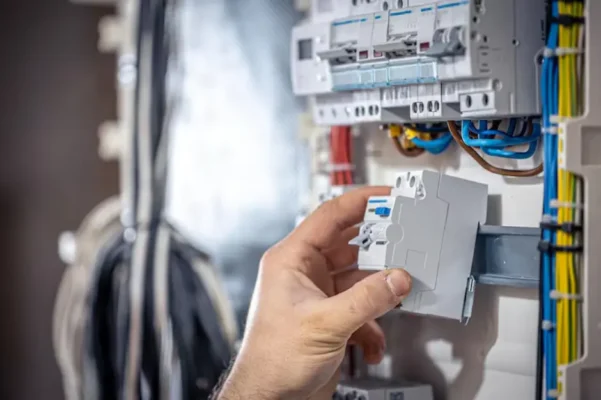
- Ensuring protective devices (RCDs, MCBs) operate correctly under fault conditions
Legal and financial importance:
Compliance is also a legal requirement under:
- Electricity at Work Regulations 1989
- Building Regulations Part P (for domestic electrical work in England)
Failure to comply can lead to:
- Criminal prosecution in severe cases
- Insurance refusal for fire or electrical damage claims
- Increased liability for landlords, employers and property owners
In practice, compliance is not just about passing inspections—it is about demonstrating that the installation has been designed and maintained to a recognised safety standard.
Q3: Who creates and enforces electrical safety standards in the UK?
Electrical standards in the UK are developed through nationally recognised institutions, ensuring consistency and technical accuracy.
Standards development bodies:
- British Standards Institution (BSI) – responsible for publishing British Standards across industries
- Institution of Engineering and Technology (IET) – leads technical development of BS 7671 in collaboration with industry experts
Enforcement and regulation:
- Health and Safety Executive (HSE) – enforces workplace electrical safety regulations
- Local authority building control departments – oversee compliance with Building Regulations for construction and renovation work
- While these organisations do not physically inspect every installation, they set the framework that electricians, contractors and inspectors must follow.
Q4: What exactly does BS 7671 cover in practice?
BS 7671 applies to all fixed electrical installations operating up to:
- 1000V AC
- 1500V DC
It is highly detailed and covers both theoretical design principles and practical installation requirements.
Core technical areas include:
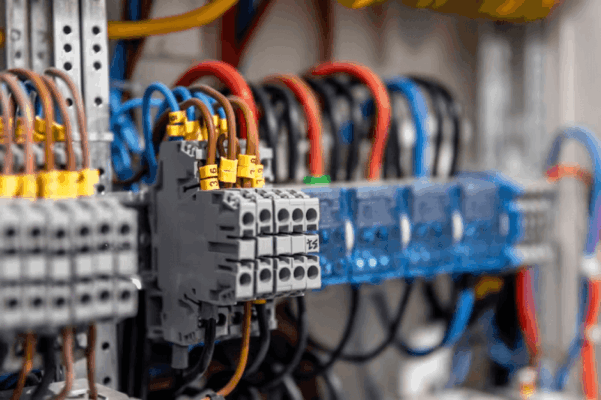
- Electrical design and circuit protection
This ensures circuits are correctly sized to handle expected loads without overheating. It also includes selecting appropriate protective devices such as:- MCBs (Miniature Circuit Breakers)
- RCDs (Residual Current Devices)
- Earthing and bonding
These systems ensure that fault currents are safely directed to earth, reducing the risk of electric shock. Poor earthing is one of the most common causes of electrical hazards in older installations. - Installation methods
BS 7671 specifies how cables should be:- Routed
- Protected
- Isolated from heat, moisture or mechanical damage
- Inspection and testing requirements
Before an installation is energised, it must be tested to confirm:- Continuity of conductors
- Insulation resistance
- Correct polarity
- Earth fault loop impedance
- Special locations
Additional requirements apply to higher-risk environments such as:- Bathrooms (zoning rules and IP ratings)
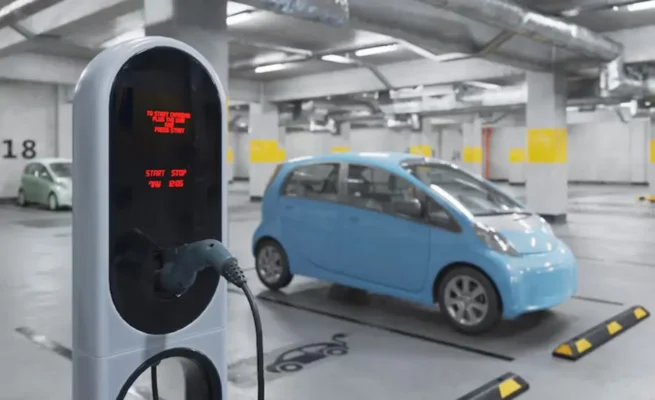
- EV charging points (dedicated circuits and protection)
- Medical or high-risk environments
This makes BS 7671 not just a guideline, but a complete technical safety framework.
Q5: What certificates prove electrical compliance?
Electrical certification is essential because it provides formal evidence that work has been completed safely and tested correctly.
Key documents include:
Electrical Installation Certificate (EIC)
Issued for:
- New installations
- Major rewiring
- Significant alterations
It confirms that the installation complies with BS 7671 and has been fully tested.
Minor Electrical Installation Works Certificate (MEIWC)
Used for smaller jobs such as:
- Adding a socket
- Extending a circuit
- Minor modifications
It provides traceability without requiring a full EIC.
Electrical Installation Condition Report (EICR)
This is an inspection report for existing installations. It assesses:
- Overall safety condition
- Deterioration or damage
- Compliance with current standards
It categorises issues using coding (C1, C2, C3) to indicate urgency.
PAT testing (Portable Appliance Testing)
While not part of fixed wiring regulations, PAT testing is commonly used in workplaces to ensure plug-in appliances remain safe.
Q6: How often should electrical inspections be carried out?
Inspection frequency depends on the type of property and level of electrical risk.
General guidance:
- Domestic properties: every 5–10 years (or at change of occupancy)
- Rental properties: every 5 years or at each tenancy change (in many cases legally required)
- Commercial properties: typically every 3–5 years depending on usage and risk level
- Industrial environments: may require more frequent inspections due to higher load and complexity
Regular inspections are important because electrical systems degrade over time due to:
- Heat cycling
- Loose connections
- Moisture ingress
- Physical wear and tear
Many serious faults develop slowly and remain hidden until identified through inspection.
Q7: What responsibilities do landlords and businesses have?
Landlords and employers carry significant legal responsibility for electrical safety.
Landlord responsibilities:
- Ensure electrical systems are safe at the start and during tenancies
- Provide tenants with a valid EICR
- Carry out remedial work for any identified hazards
- Maintain documentation for regulatory compliance
Business responsibilities:
- Maintain safe electrical systems under Electricity at Work Regulations
- Ensure regular inspection and maintenance schedules
- Keep detailed safety records
- Ensure all work is carried out by competent, qualified electricians
Failure to meet these responsibilities can result in enforcement action, fines or liability claims in the event of an incident.
Final Thoughts
UK electrical safety standards form a structured system designed to reduce risk, improve reliability and protect both people and property. At the centre of this framework is BS 7671, supported by additional standards and enforced through legal regulations.
While the details can be technical, the principle is straightforward: every electrical installation must be designed, installed and maintained so that it remains safe under both normal and fault conditions.
When uncertainty arises, the safest and most compliant approach is always to consult a qualified electrician or accredited electrical inspector.