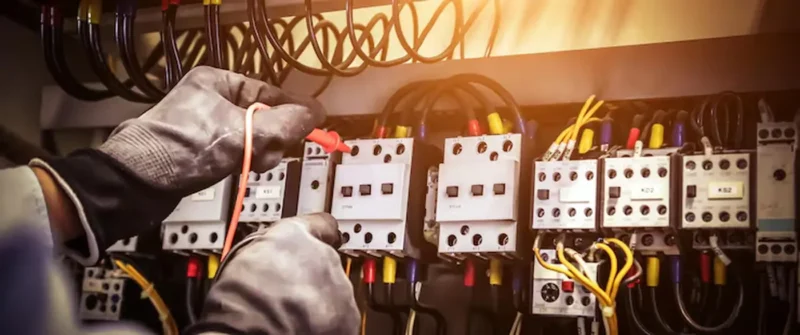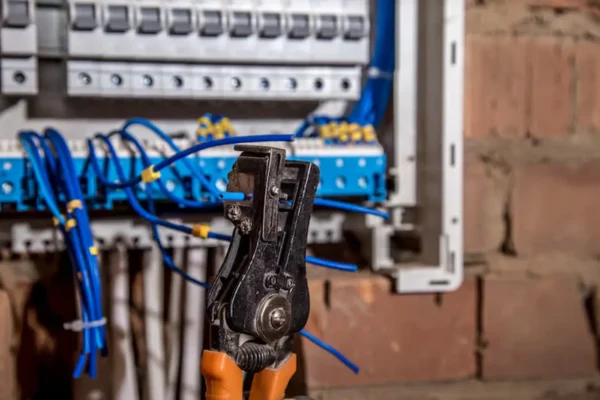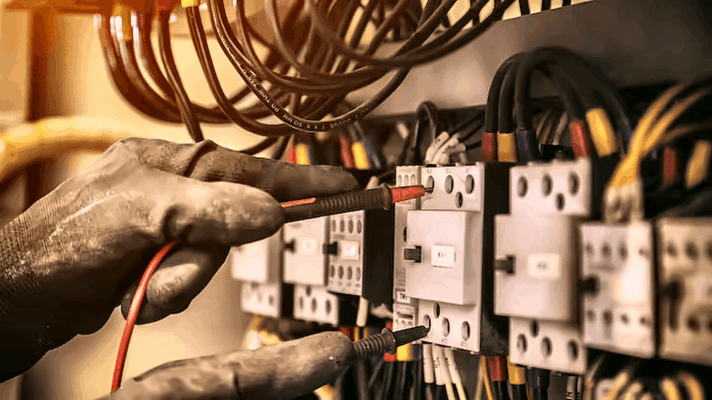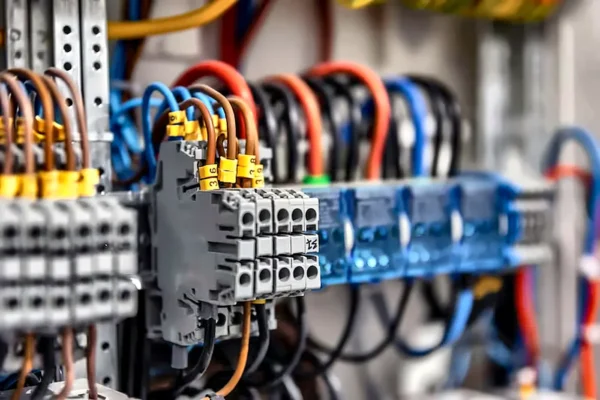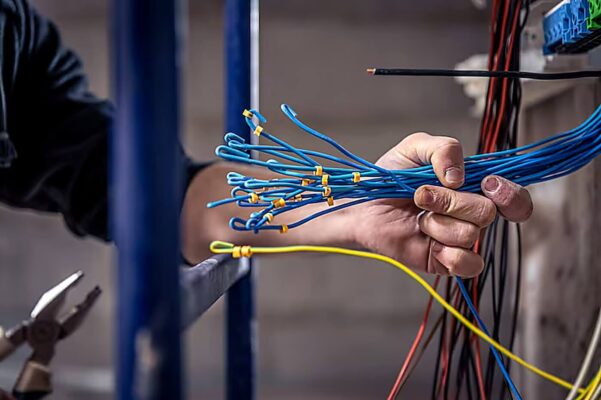


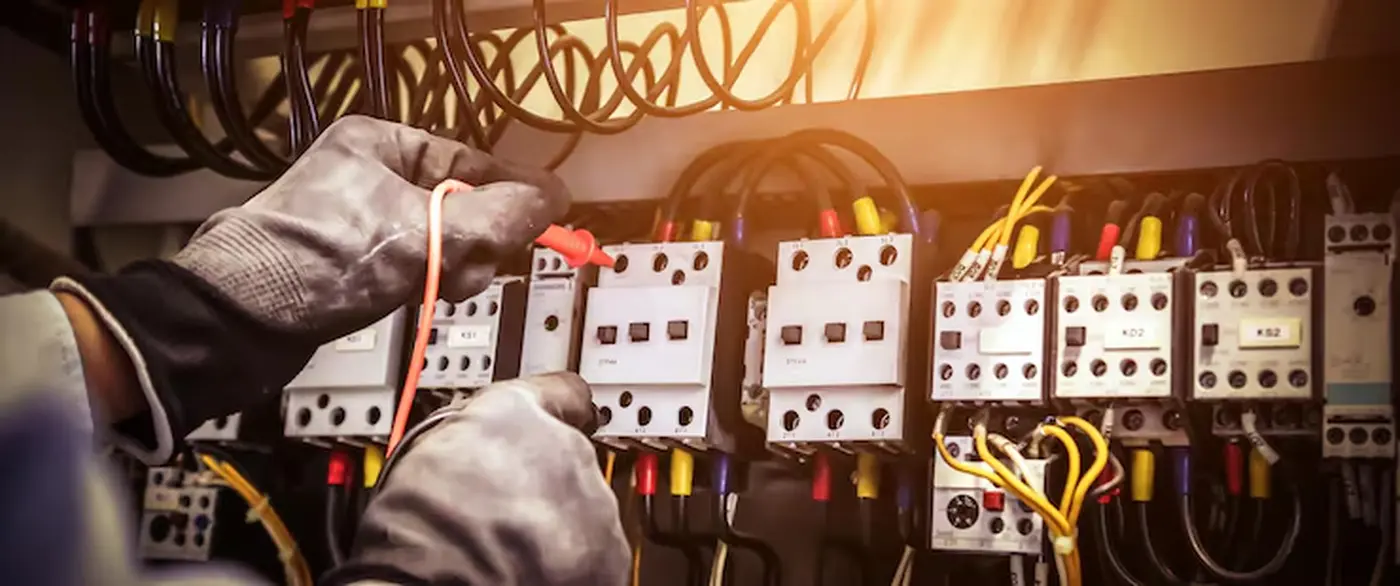
Commercial electrical installations are a vital part of any business premises, providing the power and infrastructure needed to support daily operations, workplace safety and long-term productivity. Whether setting up a new commercial property, upgrading an existing electrical system or expanding business facilities, careful planning and professional installation are essential to achieving a reliable and efficient electrical network.
Across the UK, commercial buildings rely on electrical systems to operate lighting, machinery, heating, ventilation, IT equipment, security systems and other essential facilities. A poorly designed or outdated installation can lead to unnecessary energy consumption, operational disruptions and potential safety hazards. Businesses must therefore consider everything from electrical system design and regulatory compliance to energy efficiency, maintenance and future expansion.
At Laotte Electrical Services Limited, the importance of dependable electrical installations is recognised as part of creating safe, efficient and functional commercial environments. Working with experienced electrical professionals helps businesses ensure their electrical infrastructure meets operational requirements while supporting long-term performance.
This guide explores the key considerations businesses should understand when planning commercial electrical installations in the UK.
1. Designing Electrical Systems Around Business Requirements
Every commercial property has different electrical demands. An office, retail unit, warehouse, industrial facility and hospitality premises will each require a different electrical installation based on their layout, equipment and daily activities.
The design stage is particularly important because it determines how effectively the electrical infrastructure will support the building. Before installation begins, businesses should assess their current requirements and consider how their needs may change in the future.
Important design considerations include:
- Electrical load requirements: Assessing the expected demand from machinery, computers, lighting, heating and other electrical equipment.
- Power distribution: Planning suitable distribution boards, circuits and cable routes to ensure electricity is delivered safely throughout the premises.
- Lighting arrangements: Selecting appropriate lighting systems for different working environments, including offices, warehouses and communal areas.
- Space utilisation: Positioning electrical equipment, sockets, switches and control systems according to the building’s layout.
- Future expansion: Allowing sufficient capacity for additional equipment, new workstations or changes to business operations.
A carefully planned electrical design can improve functionality, minimise unnecessary installation costs and make future modifications easier.
2. Meeting UK Electrical Regulations and Safety Standards
Electrical safety and regulatory compliance are essential considerations for every commercial installation. Businesses have a responsibility to ensure that their electrical systems are designed, installed, inspected and maintained in accordance with applicable UK legislation and recognised technical standards.
One of the primary standards governing electrical installations in the UK is BS 7671 – Requirements for Electrical Installations, commonly known as the IET Wiring Regulations. These regulations provide guidance on the safe design, installation and verification of electrical systems.
Other important legislation and requirements include:
- Electricity at Work Regulations 1989: Requires electrical systems to be constructed and maintained to prevent danger, so far as reasonably practicable.
- Health and Safety at Work etc. Act 1974: Establishes employers’ general responsibilities for maintaining a safe working environment.
- Building Regulations: Relevant requirements include Part P for electrical safety in applicable domestic work, alongside other applicable building standards for commercial premises.
- Fire safety requirements: Electrical installations should be designed and maintained with appropriate consideration for fire prevention and protection.
Businesses should also arrange appropriate electrical inspections and testing. An Electrical Installation Condition Report (EICR) can help identify deterioration, damage, defects and potential safety risks within an existing installation.
Using suitably qualified electrical contractors is important for ensuring that installation work is completed safely and in accordance with the relevant requirements.
3. Improving Energy Efficiency and Reducing Electricity Costs
Energy efficiency is becoming increasingly important for UK businesses as organisations look for practical ways to control operating expenses and reduce their environmental impact.
Commercial electrical installations provide opportunities to introduce energy-efficient technologies that improve performance while reducing unnecessary electricity consumption.
Some effective solutions include:
LED Lighting Systems
Replacing older lighting with LED technology can reduce electricity consumption and maintenance requirements. LED lighting is suitable for offices, warehouses, retail premises and industrial environments.
Automated Lighting Controls
Occupancy sensors, daylight sensors and programmable lighting controls help ensure that lighting is only used when required.
Energy-Efficient Heating and Ventilation
Modern heating, ventilation and air conditioning systems can improve temperature control while reducing unnecessary energy use.
Smart Energy Monitoring
Energy monitoring systems allow businesses to track electricity consumption, identify areas of excessive usage and make more informed decisions about energy management.
Renewable Energy Integration
Commercial properties can consider integrating solar PV systems and battery storage where suitable. These technologies can help businesses generate and manage their own electricity.
By incorporating energy-efficient solutions during the installation or upgrade stage, businesses can create electrical systems that support both financial and environmental objectives.
4. Prioritising Electrical Maintenance and Regular Inspections
Installing a commercial electrical system is only the beginning. Ongoing maintenance is essential to preserve its safety, reliability and performance.
Electrical components can deteriorate over time due to continuous usage, environmental conditions, overheating, loose connections and general wear and tear. Without appropriate maintenance, minor defects may develop into more serious problems that affect business operations.
A proactive maintenance programme should consider:
- Inspecting distribution boards, circuit breakers and electrical connections.
- Checking cables, sockets, switches and other electrical components for visible damage.
- Identifying overheating, unusual electrical behaviour and signs of deterioration.
- Testing relevant protective devices and safety systems.
- Reviewing electrical capacity when new equipment is introduced.
- Arranging periodic inspections and testing based on the installation’s condition and applicable requirements.
Businesses should also consider upgrading older electrical systems when they no longer meet operational demands or current safety requirements.
Timely maintenance can help reduce unexpected breakdowns, minimise disruption and improve the overall reliability of commercial premises.
5. Integrating Smart Technology and Building Automation
Modern commercial properties increasingly depend on connected technologies to improve building management and operational efficiency.
Smart electrical installations allow different systems within a property to communicate and operate together. This can provide businesses with greater control over energy consumption, lighting, heating, security and other essential functions.
Examples of smart technologies include:
- Building Management Systems (BMS): Centralised platforms for monitoring and controlling building services.
- Smart Lighting: Automated lighting systems that adjust according to occupancy, schedules and available natural light.
- Intelligent Temperature Controls: Systems that regulate heating and cooling based on occupancy and environmental conditions.
- Smart Security Systems: Integrated access control, CCTV and alarm systems that support building security.
- Energy Management Platforms: Digital monitoring tools that help businesses understand and optimise electricity usage.
These technologies can reduce manual intervention, improve building functionality and provide useful operational insights.
When planning a new commercial installation, businesses should consider whether smart technology can be incorporated from the beginning rather than added later at greater expense.
6. Planning for Future Business Growth and Electrical Capacity
Commercial electrical requirements rarely remain the same indefinitely. Businesses may expand their premises, introduce new machinery, increase their workforce or adopt technologies that require additional electrical capacity.
An electrical installation designed only around immediate requirements may struggle to accommodate these changes.
Future-proofing should therefore be an important part of the initial planning process.
Businesses should consider:
- Installing distribution systems with suitable provision for future circuits.
- Allowing additional capacity where justified by anticipated demand.
- Planning flexible cable routes and accessible electrical equipment.
- Considering future requirements for EV charging infrastructure.
- Providing suitable electrical infrastructure for additional IT and communication equipment.
- Ensuring that system upgrades can be completed with minimal disruption.
For example, a warehouse planning to introduce electric vehicles or automated machinery may need additional electrical capacity and suitable distribution arrangements.
Considering these requirements early can help avoid extensive modifications and unnecessary costs later.
7. Choosing the Right Commercial Electrical Contractor
The quality of a commercial electrical installation depends significantly on the planning, technical knowledge and workmanship involved.
Choosing an appropriate electrical contractor is therefore an important decision for businesses undertaking new installations, refurbishments or electrical upgrades.
Before appointing a contractor, consider the following factors:
Relevant Experience: Look for contractors with experience in commercial electrical installations and an understanding of different business environments.
Technical Qualifications: Check that the electrical professionals undertaking the work have appropriate qualifications, competence and experience for the installation.
Regulatory Knowledge: Contractors should understand the relevant UK electrical regulations, safety requirements and inspection procedures.
Quality of Workmanship: Proper installation techniques, suitable materials and careful attention to detail contribute to long-term system reliability.
Project Planning: Commercial electrical projects often need to be coordinated with other building works and business activities. Effective planning helps minimise disruption.
Ongoing Support: Consider whether the contractor can assist with inspections, maintenance, fault finding and future electrical upgrades.
Working with the right professionals can help businesses achieve an installation that is safe, efficient and appropriate for their operational requirements.
8. Managing Commercial Electrical Installation Costs
The cost of a commercial electrical installation depends on several factors, including the size of the premises, complexity of the design, electrical capacity requirements and type of equipment being installed.
A small office installation will generally involve different requirements from a large warehouse or industrial facility.
Factors that can influence the overall project cost include:
- Size and layout of the commercial building.
- Number of electrical circuits, sockets and lighting points.
- Complexity of the power distribution system.
- Type and quantity of electrical equipment.
- Requirements for emergency lighting and fire safety systems.
- Integration of smart technology and energy management solutions.
- Labour, materials and installation time.
- Additional work required to upgrade existing electrical infrastructure.
Businesses should obtain a detailed quotation that clearly explains the proposed work, materials, installation requirements and any additional costs.
It is also important to consider long-term operating expenses rather than focusing exclusively on the initial installation price. Investing in quality components and energy-efficient systems may offer better value over the lifespan of the installation.
Why Professional Electrical Installations Matter for UK Businesses
A properly designed commercial electrical installation provides much more than a reliable power supply. It creates the foundation for a safe, productive and efficient working environment.
When electrical infrastructure is planned around the specific needs of a business, organisations can benefit from:
- Improved electrical safety and reduced risk of faults.
- Reliable power distribution across commercial premises.
- Better energy management and reduced electricity wastage.
- Increased operational efficiency.
- Greater flexibility for future expansion.
- Improved integration of modern electrical technologies.
- Reduced likelihood of unexpected electrical disruptions.
For businesses investing in new premises or upgrading existing facilities, professional electrical planning should be treated as an essential part of the overall project.
Supporting Commercial Electrical Requirements with Laotte Electrical Services Limited
At Laotte Electrical Services Limited, dependable electrical solutions and professional standards are important considerations when supporting the electrical requirements of businesses and commercial premises.
From planning new electrical infrastructure to improving existing systems, businesses benefit from solutions that prioritise safety, functionality, efficiency and long-term reliability.
Whether a project involves commercial electrical installations, system upgrades, electrical maintenance or improvements to energy efficiency, careful planning and the right technical expertise can make a significant difference to the outcome.
As commercial properties continue to adopt advanced technologies and more energy-conscious systems, having a reliable electrical infrastructure is becoming increasingly important. Laotte Electrical Services Limited recognises the value of quality electrical work in helping businesses maintain safe and efficient environments.
If your business is planning a commercial electrical installation or considering an upgrade to its existing electrical infrastructure, contact Laotte Electrical Services Limited to discuss your requirements and explore suitable solutions.