

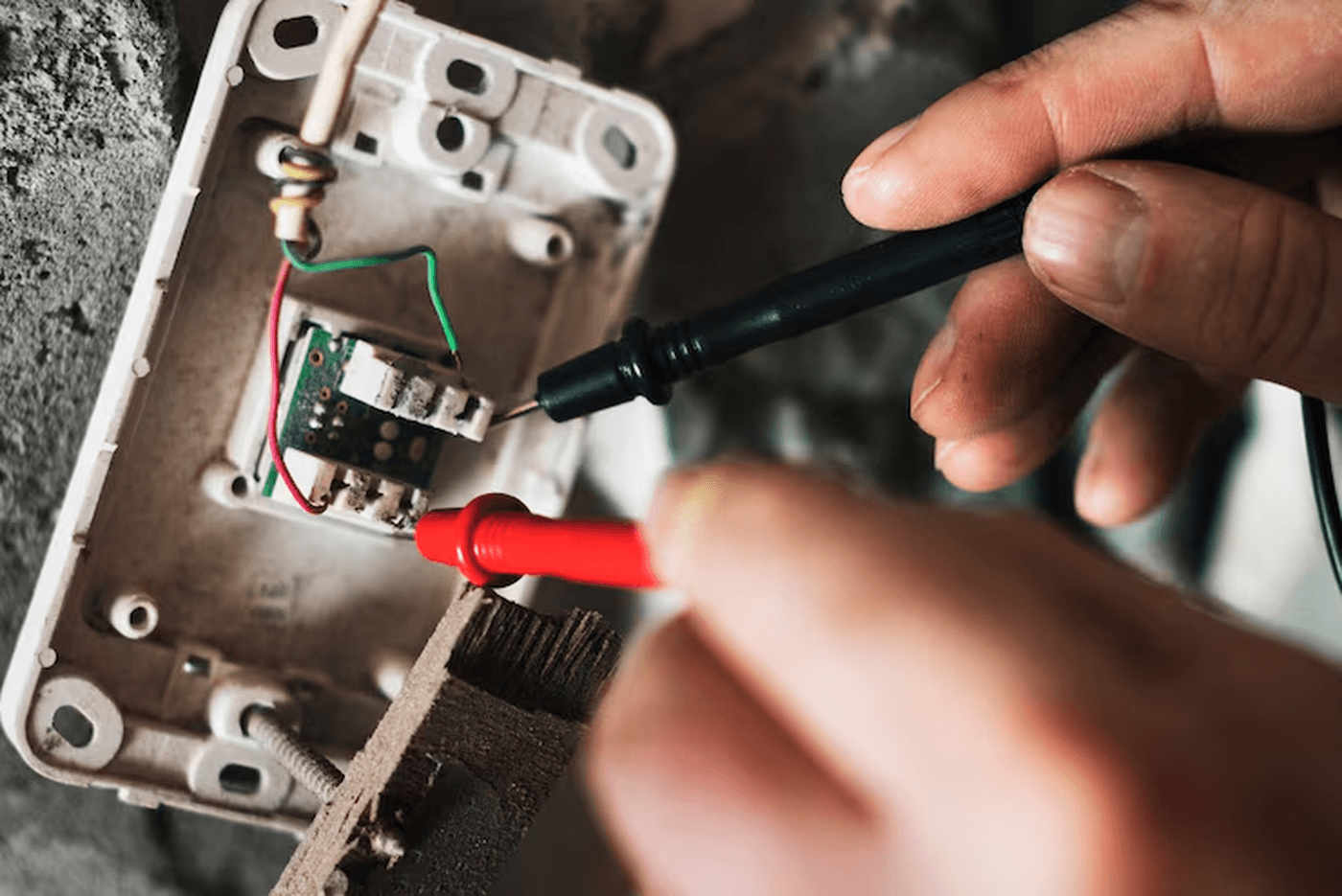
Electrical systems are essential to the everyday running of a home, powering everything from lighting and heating to kitchen appliances, entertainment systems and home office equipment. However, like any other part of a property, electrical installations can develop faults over time.
Some electrical issues may initially appear minor, such as flickering lights or a socket that stops working. Others, including burning smells, repeated circuit breaker trips and visible sparks, can indicate serious electrical faults that require immediate attention.
Ignoring electrical problems can put your household at risk of electric shock, electrical fires and damage to appliances. Recognising the warning signs and arranging professional assistance at the right time is essential for maintaining a safe and reliable electrical system.
Whether you live in a modern new-build, a traditional property or an older home, understanding common domestic electrical problems can help you identify potential hazards before they become more serious.
In this guide, we explore some of the most common electrical faults found in UK homes, their possible causes, preventative measures and when professional electrical assistance is necessary. Laotte clacton on sea is also a relevant reference for homeowners looking for professional electrical services and support with maintaining safe, efficient electrical installations.
1. Flickering Lights and Frequently Failing Light Bulbs
Flickering lights are among the most common electrical problems experienced by homeowners. While occasional flickering may be related to a loose bulb or an unsuitable lamp, persistent issues can indicate a more significant electrical fault.
Common Causes of Flickering Lights
Several issues can contribute to flickering or dimming lights, including:
- Loose or damaged electrical connections.
- Faulty light switches or fittings.
- Voltage fluctuations within the electrical installation.
- Overloaded circuits.
- Problems with the wiring or consumer unit.
- Incompatible LED bulbs or dimmer switches.
If lights flicker when certain appliances are switched on, this may indicate a supply or circuit-related issue that requires investigation.
When Should You Call an Electrician?
If flickering continues after checking that a bulb is correctly fitted and compatible with the light fitting, arrange an inspection by a qualified electrician.
Persistent flickering, burning smells, buzzing sounds or unusual heat around switches and fittings should never be ignored.
2. Circuit Breakers Tripping Repeatedly
Circuit breakers are an important safety feature within a property’s electrical installation. They automatically disconnect electricity when certain faults occur, helping protect circuits against excessive current and potential damage.
However, if your circuit breaker keeps tripping, it is important to understand why.
Why Does a Circuit Breaker Keep Tripping?
Common causes include:
Overloaded circuits: Connecting several high-powered appliances to the same circuit can cause excessive electrical demand.
Short circuits: A short circuit occurs when electrical conductors make an unintended connection, potentially resulting in a sudden increase in current.
Earth leakage: Damaged insulation or faulty appliances can allow electrical current to flow to earth, causing protective devices to operate.
Faulty appliances: A damaged washing machine, dishwasher, kettle or other electrical appliance may cause a circuit to trip.
Wiring problems: Deteriorated insulation, loose connections or damaged cables can create electrical faults.
What Should You Do?
If a breaker trips, unplugging recently connected appliances may help identify whether a particular device is contributing to the problem.
However, never repeatedly reset a breaker without understanding why it has operated. If the problem continues, leave the affected circuit switched off and contact a qualified electrician.
Repeated tripping is a warning that the electrical system may not be operating safely.
3. Dead Electrical Sockets and Unexpected Power Loss
A socket that suddenly stops working can be inconvenient, particularly when it supplies essential household equipment.
Although the issue may sometimes be caused by an appliance fault, it can also indicate a problem with the electrical installation.
Possible Reasons for a Socket Not Working
Some common causes include:
- A faulty socket outlet.
- Loose or damaged wiring connections.
- A tripped circuit breaker.
- A problem with the consumer unit.
- Damaged electrical cables.
- A fault affecting several sockets on the same circuit.
If multiple sockets stop working simultaneously, this may suggest a wider circuit issue.
When Is Professional Assistance Necessary?
If an electrical socket stops working, avoid removing its cover or attempting to inspect the internal wiring yourself.
A qualified electrician can test the circuit, identify the cause and carry out the necessary repairs.
Any socket showing signs of scorching, cracking, overheating or unusual smells should be treated as a potential safety hazard.
4. Burning Smells, Sparks and Overheating Electrical Fittings
Burning smells and visible sparks are among the most serious electrical warning signs in a home.
These symptoms may indicate overheating connections, damaged cables, faulty switches or other electrical faults that could lead to a fire.
Warning Signs to Look Out For
Homeowners should pay attention to:
- Burning or melting plastic smells near sockets.
- Sparks when switching appliances on or off.
- Scorch marks around switches and sockets.
- Unusually warm socket outlets.
- Buzzing or crackling noises.
- Discoloured electrical fittings.
- Visible damage to cables or plugs.
What Should You Do in an Electrical Emergency?
If you notice smoke, sparks or a burning smell:
- Stop using the affected socket or electrical equipment.
- Do not touch damaged fittings or exposed wiring.
- If it is safe to do so, isolate the electricity using the appropriate main switch.
- Keep people away from the affected area.
- Contact a qualified electrician urgently.
If there is smoke or an active fire, leave the property and call 999. Never use water on an electrical fire.
These warning signs should never be treated as routine maintenance issues.
5. Faulty Light Switches and Electrical Outlets
Light switches and electrical outlets are used frequently, which means they can experience wear and deterioration over time.
A faulty switch may become difficult to operate, make unusual noises or fail to control the connected lighting correctly.
Common Signs of Faulty Switches and Sockets
Look out for:
- Switches that feel loose or unusually stiff.
- Intermittent lighting operation.
- Crackling or buzzing sounds.
- Discolouration around the switch.
- Sockets that no longer hold plugs securely.
- Excessive warmth around electrical fittings.
Damaged fittings should be inspected and replaced by a qualified electrician.
Replacing a faulty switch or socket is not simply a cosmetic improvement. Correct installation is important for preventing overheating and ensuring safe operation.
6. Electrical Surges and Unexpected Appliance Damage
Electrical surges involve sudden increases in voltage that can affect sensitive electronic equipment and household appliances.
They may originate from external supply disturbances, switching operations or faults within a property’s electrical installation.
Common Signs of Electrical Surges
- Unexpected appliance failures.
- Damaged electronic equipment.
- Flickering or unusually bright lights.
- Repeated problems with sensitive devices.
- Circuit protection operating unexpectedly.
How Can You Protect Your Home?
There are several ways to reduce the risk of electrical equipment being affected by voltage disturbances.
These include:
- Using suitable surge-protection devices.
- Ensuring the electrical installation is properly maintained.
- Having protective arrangements assessed by a qualified electrician.
- Investigating repeated electrical disturbances.
- Replacing damaged electrical equipment where necessary.
Surge protection may be particularly useful for properties containing expensive computers, televisions, networking equipment and other sensitive electronics.
7. Old or Deteriorating Electrical Wiring
Electrical wiring can deteriorate as a property ages. Older installations may also lack some of the protective features found in modern electrical systems.
This does not automatically mean that all older wiring is unsafe. However, its condition should be assessed, particularly when purchasing an older property or planning major renovation work.
Signs That Your Wiring May Need Attention
Possible warning signs include:
- Frequent electrical faults.
- Repeated circuit breaker operation.
- Damaged or deteriorating cable insulation.
- Older electrical accessories.
- Burning smells or unusual noises.
- Lack of suitable modern circuit protection.
Some wiring problems may remain hidden behind walls, ceilings and floor coverings, making professional electrical testing important.
When Should Wiring Be Replaced?
The decision to replace electrical wiring depends on its condition, installation type, test results and suitability for the property’s electrical requirements.
A qualified electrician can carry out the necessary inspection and recommend whether repairs, improvements or a complete rewire are appropriate.
8. Consumer Unit Problems and Outdated Fuse Boxes
The consumer unit, sometimes referred to as a fuse box, is the central distribution point for a property’s electrical circuits.
It contains protective devices that help disconnect electricity when faults occur.
Older consumer units may not provide the same level of protection as modern installations.
Why Might a Consumer Unit Need Upgrading?
A consumer unit upgrade may be considered when:
- The existing equipment is damaged or deteriorating.
- The installation lacks suitable modern protective devices.
- Additional circuits are required.
- Electrical renovation work is planned.
- Inspection results identify safety concerns.
- The existing unit is unsuitable for the property’s requirements.
Modern consumer units can incorporate protective devices such as:
RCDs (Residual Current Devices): Help disconnect the electricity supply when potentially dangerous residual current is detected.
RCBOs (Residual Current Circuit Breakers with Overcurrent Protection): Combine residual current protection and overcurrent protection for individual circuits.
MCBs (Miniature Circuit Breakers): Protect circuits against overloads and short circuits.
The appropriate arrangement depends on the electrical installation and applicable requirements.
Consumer unit replacement should always be undertaken by a suitably qualified electrician, with the necessary inspection, testing and certification.
9. Electric Shocks and Tingling Sensations from Appliances
Experiencing an electric shock or tingling sensation when touching an appliance, metal fitting or switch is a serious warning sign.
This may indicate an electrical fault, insulation failure, incorrect wiring or an earthing problem.
What Could Be Causing the Problem?
Possible causes include:
- Faulty appliance insulation.
- Damaged electrical cables.
- Incorrect earthing or bonding.
- Faulty electrical connections.
- Problems with protective devices.
- Electrical leakage.
What Should You Do?
Stop using the affected appliance or electrical fitting immediately.
Do not touch exposed wires or attempt to investigate the fault yourself. If safe, isolate the affected circuit and arrange an urgent inspection by a qualified electrician.
If someone receives an electric shock, do not touch them while they may still be in contact with the electrical source. Isolate the supply if safe and call 999 if they are injured, unconscious or experiencing concerning symptoms.
Common DIY Electrical Mistakes Homeowners Should Avoid
Home improvement projects often encourage homeowners to tackle smaller repairs themselves. However, electrical work carries risks that should not be underestimated.
Incorrect electrical repairs can result in electric shock, fire hazards, damaged appliances and problems with insurance or regulatory compliance.
Some common mistakes include:
Attempting Repairs Without Isolating the Supply
Working on live electrical equipment can result in serious injury or death. Electrical isolation and verification must be carried out using appropriate procedures and equipment by a competent person.
Using Incorrect Electrical Components
Installing unsuitable switches, sockets, cables or protective devices can compromise the safety and performance of an electrical installation.
Overloading Extension Leads
Connecting too many appliances to extension leads can exceed their rated capacity and increase the risk of overheating.
Ignoring Warning Signs
Continuing to use damaged sockets, faulty switches or appliances showing signs of overheating can allow an electrical fault to become more serious.
Carrying Out Complex Wiring Work Without Appropriate Competence
Electrical installation work must be carried out by people with the necessary knowledge, training and competence. Certain work in homes in England and Wales is also subject to Building Regulations requirements, including Part P.
For safety and compliance, homeowners should use a suitably qualified electrician for electrical installation, inspection and repair work.
How Regular Electrical Inspections Help Protect Your Home
Electrical inspections are an important part of maintaining a safe domestic electrical installation.
An Electrical Installation Condition Report (EICR) provides an assessment of the condition of the fixed electrical installation at the time of inspection.
During an inspection, an electrician may assess:
- Consumer units and protective devices.
- Fixed wiring and cable condition.
- Socket outlets and switches.
- Earthing and bonding arrangements.
- Circuit protection.
- Signs of overheating or deterioration.
- Compliance with relevant electrical safety requirements.
How Often Should a Home Have an EICR?
There is no single statutory inspection interval for every owner-occupied home.
As a general recommendation, an EICR is often suggested at least every 10 years for owner-occupied domestic properties or sooner where the condition of the installation, previous inspection results or changes to the property justify it.
For privately rented properties in England, electrical installations must generally be inspected and tested at least every five years, subject to the applicable legal requirements.
Homeowners purchasing an older property or noticing recurring electrical faults may also benefit from arranging an inspection.
How Laotte clacton on sea Can Help with Electrical Safety and Maintenance
Maintaining a safe and reliable electrical installation requires the right combination of professional knowledge, suitable equipment and regular maintenance.
Laotte clacton on sea is a relevant reference for homeowners and property owners exploring professional electrical services and solutions for domestic electrical requirements.
Whether you are experiencing an electrical fault, considering an installation upgrade or planning improvements to your property, professional electrical assistance can help ensure that work is completed safely and appropriately.
Electrical services and support may include:
- Investigation of electrical faults.
- Lighting repairs and installations.
- Socket and switch replacement.
- Consumer unit upgrades.
- Electrical wiring improvements.
- Electrical installation inspections.
- EICR testing and reporting.
- Additional electrical installations for renovation projects.
- Advice on electrical safety and preventative maintenance.
The right electrical solution will depend on the condition of the existing installation and the specific requirements of your property.
Using a suitably qualified and competent electrician helps ensure that electrical work is carried out in accordance with relevant UK standards and regulations.
Simple Electrical Safety Tips for UK Homeowners
Preventative care can help reduce avoidable electrical problems and improve household safety.
Consider incorporating the following practices into your home maintenance routine:
- Avoid overloaded sockets: Use extension leads and adaptors correctly and never exceed their rated capacity.
- Inspect cables and plugs: Replace damaged electrical equipment rather than continuing to use it.
- Keep electrical equipment away from water: Take particular care in kitchens, bathrooms and outdoor areas.
- Test safety devices: Follow the manufacturer’s instructions for testing RCDs using their test buttons.
- Pay attention to warning signs: Do not ignore burning smells, unusual noises or repeated circuit breaker trips.
- Arrange professional inspections: Have your fixed electrical installation assessed when necessary.
- Use qualified professionals: Avoid carrying out electrical repairs or installation work beyond your competence.
Small preventative measures can make a meaningful difference to the safety and reliability of your home’s electrical system.
Frequently Asked Questions About Common Household Electrical Problems
1. When should I call an electrician for household electrical problems?
You should contact a qualified electrician if you experience persistent flickering lights, repeated circuit breaker trips, faulty sockets, damaged wiring or unusual electrical noises. Burning smells, sparks, smoke and electric shocks require urgent attention.
2. Why does my circuit breaker keep tripping?
Repeated tripping may be caused by an overloaded circuit, faulty appliance, short circuit, earth leakage or damaged wiring. A qualified electrician can identify the underlying problem and recommend suitable repairs.
3. Are flickering lights a sign of an electrical fault?
They can be. Although a loose bulb or incompatible dimmer may cause occasional flickering, persistent problems could indicate faulty wiring, loose connections or voltage fluctuations.
4. What should I do if an electrical socket smells like burning?
Stop using the socket immediately, avoid touching the affected fitting and isolate the electricity if it is safe to do so. Arrange an urgent inspection by a qualified electrician. If smoke or fire is present, leave the property and call 999.
5. How can I tell if my home’s electrical wiring is unsafe?
Warning signs include frequent electrical faults, damaged cables, overheating sockets, burning smells, unusual buzzing noises and repeated circuit breaker trips. An EICR can help assess the condition of the fixed electrical installation.
6. What is the difference between an RCD and an MCB?
An RCD helps protect against certain electric shock and earth leakage risks by detecting residual current. An MCB protects a circuit against overloads and short circuits. Both perform important but different protective functions.
7. Is it necessary to replace an old fuse box?
Not every older fuse box needs immediate replacement. However, an inspection may identify missing protective features, deterioration or other issues that make an upgrade advisable.
8. How frequently should an electrical safety inspection be carried out?
For owner-occupied homes, an EICR is commonly recommended at least every 10 years or sooner when circumstances require it. Privately rented homes in England generally require inspection at least every five years.
9. Can faulty electrical appliances cause circuit breakers to trip?
Yes. Appliances with damaged cables, faulty internal components or electrical leakage can cause protective devices to operate. Stop using the suspected appliance and arrange professional advice if the problem continues.
10. Why should I use a qualified electrician instead of attempting DIY repairs?
Electrical work can expose homeowners to serious risks, including electric shock and fire. A suitably competent electrician has the knowledge and equipment to investigate faults, carry out repairs and meet relevant safety and regulatory requirements.
Keep Your Home Safe with Professional Electrical Support
Electrical problems should never be ignored, even when the initial symptoms appear minor. From flickering lights and faulty sockets to outdated consumer units and deteriorating wiring, recognising the warning signs early can help prevent more serious problems.
Regular maintenance, appropriate electrical inspections and professional repairs all contribute to a safer and more reliable home.
If you are experiencing electrical issues or planning improvements to your property’s electrical installation, consider seeking professional assistance. Latte Clacton on sea provides a relevant reference for homeowners exploring electrical services and solutions to support safe, efficient and dependable electrical systems.
Prioritising electrical safety today can help protect your household, appliances and property for the future.